Red Light Therapy for Muscle Recovery: A 2026 Guide

Table of Contents
- What Red Light Therapy Does for Muscle Recovery
- How Red Light Therapy Works at the Cellular Level
- How to Use Red Light Therapy at Home for Muscles
- Red Light Therapy Treatment Duration and Frequency
- Red Light Therapy Side Effects and Safety Considerations
- Combining Red Light Therapy with Other Recovery Methods
- Conclusion
Last Updated: August 25, 2026
What Red Light Therapy Does for Muscle Recovery
Red light therapy for muscle recovery works by delivering specific wavelengths of light directly into muscle tissue, triggering cellular repair mechanisms that reduce soreness and accelerate healing. Unlike passive recovery methods, this approach actively stimulates your body's natural recovery processes at the mitochondrial level.

When muscles experience intense exercise, they accumulate metabolic waste products and experience micro-tears that trigger inflammation. Red light therapy addresses both issues simultaneously. The therapy penetrates deep into muscle tissue, typically 8-10 millimeters below the skin's surface, where it interacts with cellular structures responsible for energy production (peer-reviewed research).
The result is faster recovery between workouts, reduced delayed onset muscle soreness (DOMS), and improved overall athletic performance. Many athletes report noticing improvements in soreness levels within 3-5 days of consistent use, though individual results vary based on exercise intensity, recovery protocol, and consistency of application.
Research from the National Center for Biotechnology Information's photobiomodulation studies has documented how near-infrared wavelengths (typically 600-1000 nanometers) stimulate cellular energy production, directly supporting muscle recovery at a physiological level. This isn't theoretical, it's the mechanism behind why serious athletes and fitness professionals have adopted red light therapy as a core recovery tool.
How Red Light Therapy Works at the Cellular Level
The science of red light therapy centers on photobiomodulation, a process where photons from red and near-infrared light wavelengths are absorbed by a specific enzyme in your cells called cytochrome c oxidase. This enzyme sits in the mitochondria, often called the powerhouse of your cells, where it plays a critical role in producing adenosine triphosphate (ATP), your body's primary energy currency.

When muscle fibers contract during exercise, they consume ATP rapidly and generate reactive oxygen species (ROS) as a byproduct. These unstable molecules contribute to oxidative stress, inflammation, and the muscle soreness you feel 24-48 hours after a hard workout. Red light therapy interrupts this cascade by enhancing ATP production, which gives your cells more energy to repair damage and manage inflammation.
The process works like this: photons penetrate the skin and are absorbed by mitochondrial chromophores, triggering an increase in ATP synthesis. More ATP means your cells can more efficiently clear metabolic waste, synthesize new collagen, and reduce inflammatory signaling. The result is tissue regeneration happening faster than it would through rest alone.
:::pro-tip The wavelength matters more than the intensity. Red light (600-700 nanometers) and near-infrared light (700-1000 nanometers) penetrate different tissue depths. For muscle recovery, near-infrared is typically more effective because it reaches deeper into muscle tissue where the most significant damage occurs. :::
This cellular mechanism also explains why red light therapy for muscle recovery works better when applied consistently. A single session provides temporary ATP boost, but repeated sessions create cumulative improvements in mitochondrial function and tissue repair capacity. The therapeutic dose, typically 10-30 joules per square centimeter, has been established through clinical research as the range that optimizes cellular response without diminishing returns (peer-reviewed research).
How to Use Red Light Therapy at Home for Muscles
Setting up an effective red light therapy routine at home requires understanding three key variables: device type, treatment duration, and target area. The most practical approach for muscle recovery involves either a full-body mat for comprehensive treatment or targeted wrap devices for specific problem areas like shoulders, knees, or lower back.
Start by identifying which muscle groups need the most attention. If you're recovering from full-body training, a full-body red light therapy mat like the TheCoolVibeShop Full Body Red Light Therapy Mat ($399.99) provides comprehensive coverage in a single session. For localized muscle soreness, neck tension from desk work, sore shoulders from overhead pressing, or knee pain from running, a targeted device like the Topcupro 4-in-1 Red Light Therapy Wrap ($154.99) delivers concentrated light exactly where you need it.
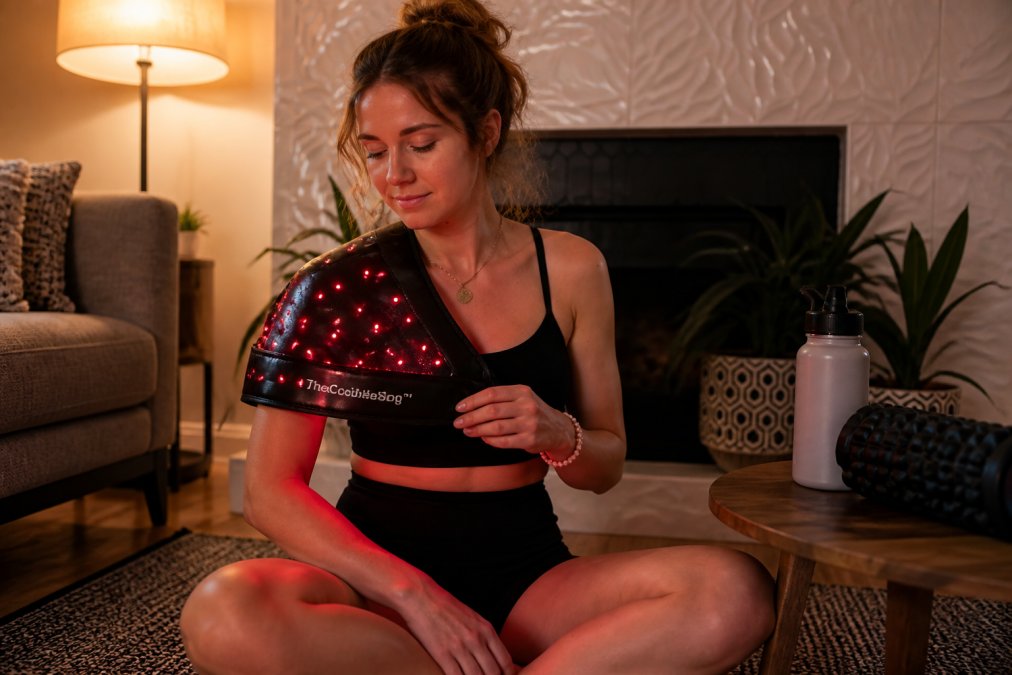
Proper positioning is critical for results. The device should be placed 4-6 inches from the skin surface, close enough that you feel warmth but not so close that you risk discomfort. For full-body mats, lie flat with the device positioned to cover the areas you want to treat. For wrap devices, secure them snugly around the target joint or muscle group so the light emitters maintain consistent contact with skin.
Many people make the mistake of using red light therapy sporadically and expecting results. Consistency matters far more than occasional intense sessions. A realistic home protocol involves 15-20 minutes daily on problem areas, or 20-30 minutes every other day on full-body treatment. This frequency allows your cells to respond to the light stimulus without overwhelming your recovery system.
Red Light Therapy Treatment Duration and Frequency
The question of how long to use red light therapy and how often comes down to your specific recovery needs and training intensity. Most research suggests that the therapeutic dose for muscle recovery falls between 10-30 joules per square centimeter, which translates to roughly 15-30 minutes of exposure depending on your device's irradiance (power output).
For post-workout recovery, applying red light therapy for muscle recovery within 2-4 hours after intense training produces the best results. Your muscles are primed to respond to recovery stimuli during this window, and the therapy can significantly reduce DOMS development. A typical post-workout protocol involves 15-20 minutes on the affected muscle groups.
For chronic muscle tension or general recovery support, daily sessions of 15-20 minutes produce cumulative benefits. Many athletes follow this pattern: intense therapy sessions (20-30 minutes) on training days, lighter maintenance sessions (10-15 minutes) on rest days. This approach maintains cellular recovery capacity without creating unnecessary photon exposure.
The frequency question often comes up: can you overuse red light therapy? The answer is nuanced. Your cells respond to light stimulus, and more isn't always better. Beyond 30 joules per square centimeter, additional exposure shows diminishing returns. Many practitioners find that 5-6 days per week of consistent use produces optimal results, with one rest day allowing for cellular adaptation.
Individual factors influence your ideal protocol. Athletes training at high intensity may benefit from daily use, while recreational gym-goers might see equal results with 4-5 sessions weekly. The key is consistency over intensity, steady, predictable exposure produces better results than sporadic heavy sessions.
Red Light Therapy Side Effects and Safety Considerations
Red light therapy for muscle recovery carries an excellent safety profile compared to other recovery interventions, but understanding potential side effects and contraindications helps you use it effectively. The most common side effect is mild eye discomfort if you stare directly into the light source. This is easily avoided by positioning devices so they target muscle tissue rather than your face, or wearing protective eyewear if treating upper body areas.
Some users report temporary skin irritation, redness or slight warmth, especially during initial sessions. This typically resolves within 24 hours and indicates your skin is responding to the light stimulus. If irritation persists beyond a few sessions, reduce exposure duration or increase the distance between the device and your skin.
A small subset of users experience mild headaches when using red light therapy for the first time, particularly if treating neck or shoulder areas. This usually reflects muscle relaxation and improved blood flow rather than a harmful effect. Starting with shorter sessions (10 minutes) and gradually increasing duration minimizes this response.
Certain medications increase photosensitivity. If you take medications like tetracycline antibiotics, retinoids, or NSAIDs at high doses, consult with your healthcare provider before starting red light therapy. Similarly, if you have a history of skin cancer or suspicious skin lesions, get medical clearance before using red light therapy on affected areas.
Pregnancy represents a contraindication where caution is warranted. While red light therapy itself isn't harmful, the lack of extensive safety data during pregnancy suggests waiting until after delivery before starting treatment. Eye conditions like macular degeneration warrant medical consultation before use, as does thyroid dysfunction if you're treating areas near the thyroid gland.
Combining Red Light Therapy with Other Recovery Methods
Red light therapy for muscle recovery works best as part of a comprehensive recovery strategy rather than in isolation. The most effective athletes combine it with complementary modalities that address different aspects of the recovery process.
Stretching and mobility work pair exceptionally well with red light therapy. Apply the therapy first to increase blood flow and cellular energy, then perform dynamic stretching. Your muscles are primed to adapt to the movement stimulus, and you'll notice improved range of motion. This combination addresses both the cellular repair (red light) and the mechanical restoration (stretching) that muscles need.
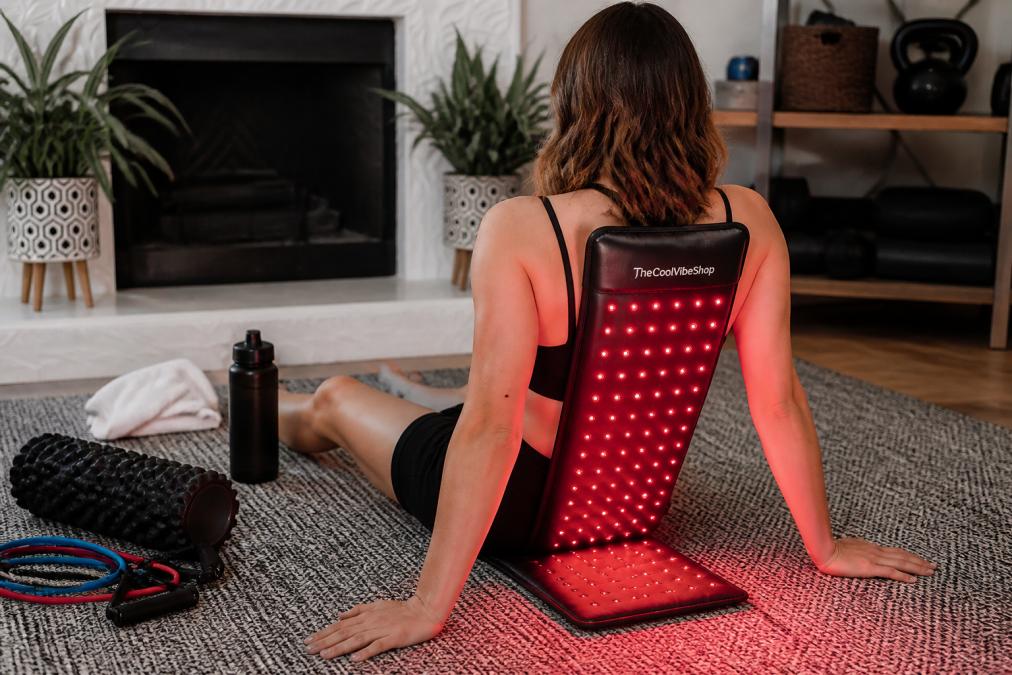
Massage therapy combines powerfully with red light therapy. Many practitioners apply red light first to reduce inflammation and increase circulation, then perform massage to mechanically clear metabolic waste and restore tissue quality. The TheCoolVibeShop Wavelength Belt ($79.99) can be worn during light activity or recovery sessions, allowing you to maintain red light exposure while performing other recovery work.

Sleep represents the foundation of all recovery, and red light therapy enhances rather than replaces it. Use red light therapy in the morning or afternoon, not immediately before bed, to avoid disrupting sleep quality. The recovery benefits compound when combined with 7-9 hours of consistent sleep, that's when your body does most of its actual tissue repair.
Nutrition timing works synergistically with red light therapy. Your cells need raw materials to build new tissue. Consuming adequate protein and carbohydrates within 2-3 hours after training, and after your red light therapy session, provides the building blocks your cells need to capitalize on the ATP boost and reduced inflammation that therapy provided.
Active recovery days benefit from combining light red light therapy (10-15 minutes) with low-intensity movement like walking, swimming, or yoga. This approach maintains the recovery stimulus without adding training stress. Many athletes find that 2-3 days per week of this combination prevents the accumulation of fatigue that heavy training creates.
The mistake most people make is treating red light therapy as a replacement for these other methods rather than a complement. Red light therapy for muscle recovery accelerates your body's natural repair process, but it works best alongside sleep, nutrition, stretching, and movement quality. Think of it as the amplifier that makes your entire recovery strategy more effective.
Red light therapy for muscle recovery delivers real benefits when approached systematically, but results depend on consistency and proper integration with your overall training and recovery plan. The technology works, but only if you actually use it regularly and combine it with the fundamentals, sleep, nutrition, and movement quality.
TheCoolVibeShop's red light therapy devices are built for exactly this kind of sustained, practical use. With the 60-day money-back guarantee, you can test whether this approach works for your specific recovery needs without financial risk. Start with whichever device matches your primary problem area, commit to 15-20 minutes daily for 30 days, and track how your soreness levels and recovery speed actually change. That's how you'll know whether red light therapy belongs in your recovery toolkit.
Frequently Asked Questions
Q: Does red light therapy actually help muscle recovery?
A: Yes. Red light therapy works by stimulating mitochondrial function and increasing ATP production, which accelerates cellular repair and reduces inflammation. Studies show it reduces delayed onset muscle soreness (DOMS) and speeds recovery time when used consistently. Results depend on wavelength, irradiance, and treatment duration, proper protocol matters more than device alone.
Q: How long should red light therapy treatment duration be for muscle recovery?
A: Most effective protocols use 15-30 minute sessions, 3-5 times per week. Therapeutic doses typically range from 4-30 joules per square centimeter, depending on wavelength and depth of tissue targeted. Start with shorter sessions and increase gradually. Consistency over weeks shows better results than sporadic long sessions.
Q: Is red light therapy safe for daily use?
A: Red light therapy is generally safe for daily use when following proper guidelines. Avoid direct eye exposure to near-infrared wavelengths. If you have photosensitivity, take light-sensitizing medications, or have active cancer, consult a healthcare provider first. TheCoolVibeShop's red light therapy solutions are designed for safe everyday use.
Q: What are the side effects of red light therapy for muscles?
A: Side effects are rare at therapeutic doses. Some users report mild heat sensation, temporary eye strain if looking directly at the light, or headaches during initial sessions. These typically resolve within days. More serious side effects are unlikely with proper wavelength and irradiance, but individuals with heat sensitivity or certain medications should start cautiously.
This article was written using GrandRanker