Is Red Light Therapy Safe Daily? A 2026 Guide

Table of Contents
- How Red Light Therapy Works at the Cellular Level
- Is Red Light Therapy Safe for Daily Use?
- Understanding Red Light Therapy Side Effects and Risks
- Optimal Red Light Therapy Duration and Frequency
- Benefits of Consistent Red Light Therapy Over Time
- Device-Specific Irradiance and Skin Type Considerations
- Getting Started Safely: Your Daily Red Light Therapy Plan
- Conclusion
Last Updated: August 20, 2026
How Red Light Therapy Works at the Cellular Level
Red light therapy operates through photobiomodulation, where specific wavelengths penetrate tissue and interact with cellular machinery to produce measurable biological effects. When red and near-infrared light enters your skin, it reaches the mitochondria, where it stimulates cytochrome c oxidase, an enzyme that increases ATP production, the cellular energy currency powering muscle recovery and collagen synthesis.

Red light wavelengths range from 600 to 700 nanometers, while near-infrared extends from 700 to 1,100 nanometers. Both penetrate deeper than visible light and trigger cellular responses that make mitochondria more efficient at generating energy, reducing oxidative stress and supporting tissue repair. This mechanism has been documented across thousands of clinical trials.
Understanding this foundation matters when evaluating daily safety. Your cells have natural recovery cycles, and using red light therapy daily requires matching treatment to these biological rhythms. The therapeutic window is narrow but well-defined: too little light produces minimal effect; too much triggers oxidative stress instead of reducing it.
Is Red Light Therapy Safe for Daily Use?
Red light therapy is generally safe for daily use when applied correctly. Most people tolerate daily sessions without adverse reactions, particularly when using FDA-cleared devices designed for home use. Daily use becomes problematic only when you exceed the therapeutic window, the range of light intensity and exposure time that produces benefits without triggering harmful effects.
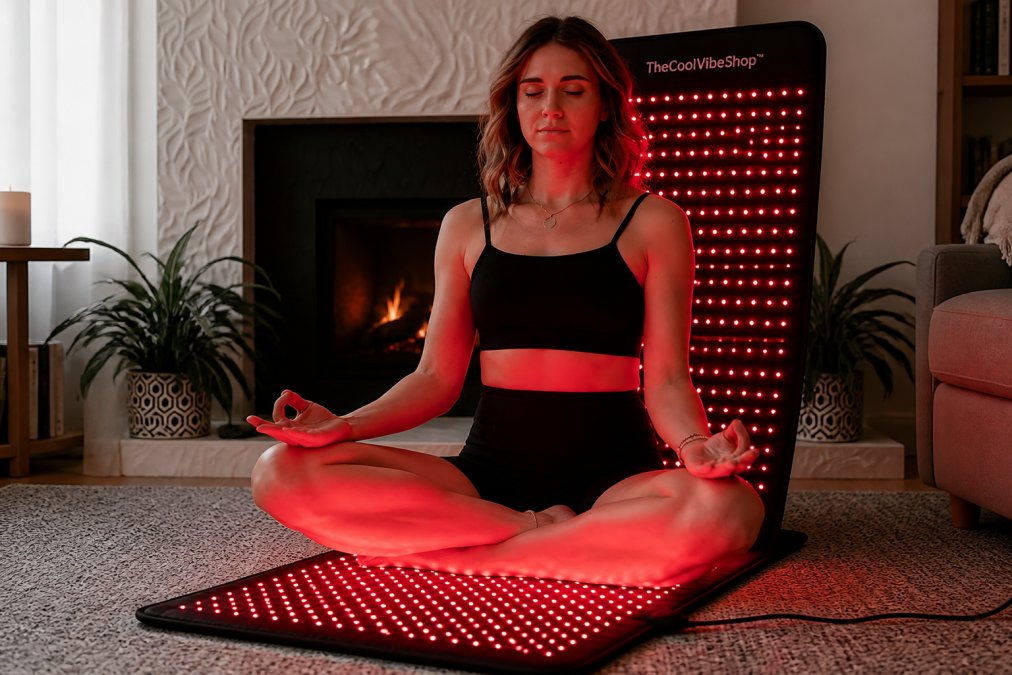
For most home-use devices, staying within manufacturer guidelines keeps you safely within this window. Devices like the TheCoolVibeShop Full Body Red Light Therapy Mat are engineered with irradiance levels appropriate for daily application, delivering therapeutic benefit without overexposure risk.
Red light therapy devices generate minimal thermal energy compared to light intensity itself. Your skin has excellent heat dissipation, and the wavelengths used don't cause cumulative DNA damage like UV exposure. What matters more is cumulative light exposure over time, which is why tracking total weekly dosage prevents problems.
Individual variation plays a significant role. People with sensitive skin, certain medications that increase photosensitivity, or specific skin conditions may need to adjust frequency or duration. Starting conservatively, perhaps 10-15 minutes three times per week, allows you to observe how your body responds before moving to daily use.
Understanding Red Light Therapy Side Effects and Risks
The most common side effect is temporary skin irritation or mild inflammation, particularly in first-time users. This resembles mild redness, slight warmth, or tenderness that typically resolves within hours and becomes less frequent with regular exposure. It signals you may be using too much intensity or duration for your current tolerance.
Headaches occur occasionally when treating facial or scalp areas, possibly from increased blood flow or mild inflammation in sensitive tissues. Reducing session duration or frequency typically eliminates this response. If headaches persist, discontinuing use in that area is safest.
Eye safety deserves attention. While red light doesn't damage the retina like blue light or UV, direct exposure to bright sources can cause temporary visual discomfort. Most home devices include protective guidance recommending against direct eye exposure. Treating areas near the eyes is safe when you maintain the manufacturer's recommended distance.
Overexposure represents the primary actual risk. Using high-powered devices for extended periods daily can trigger excessive inflammation rather than the anti-inflammatory response therapy normally produces. This is dose-dependent and doesn't happen at typical home-use intensities, but it can occur if you ignore manufacturer guidelines.
Certain medications increase skin photosensitivity, including some antibiotics and NSAIDs. If you take photosensitizing medications, discuss red light therapy with your healthcare provider before starting. This isn't a contraindication, simply a reason to start with lower intensity and monitor carefully.
Optimal Red Light Therapy Duration and Frequency
Optimal frequency depends on your specific goal and recovery capacity. For muscle soreness and athletic recovery, many athletes use red light therapy daily or twice daily on training days, with sessions lasting 10-20 minutes per area. This matches the biological recovery cycle.
For skin health and anti-aging, most research supports 3-5 sessions per week at 15-30 minutes per session. This frequency allows adequate recovery time while maintaining consistent collagen stimulation. Daily use for skin is safe but not necessarily more effective than this moderate frequency.
For general wellness, 3-4 sessions weekly at 15-20 minutes provides meaningful benefit without daily commitment. This frequency is sustainable long-term and produces noticeable improvements in sleep quality, mood, and tissue health within 4-6 weeks.
During your first 4-8 weeks, using red light therapy more frequently produces faster visible results. Once you've achieved your desired outcome, reduce frequency to a maintenance schedule. Many people maintain results with 2-3 sessions weekly indefinitely.
Session duration should match your device's irradiance specifications. A high-irradiance device (100+ mW/cm²) requires shorter sessions of 5-10 minutes. A lower-irradiance device (30-50 mW/cm²) allows 15-30 minute sessions. Always consult your device's specifications.
| Treatment Phase | Recommended Frequency | Session Duration | Weekly Total |
|---|---|---|---|
| Initial (weeks 1-8) | Daily or 5-6x/week | 10-20 minutes | 70-120 minutes |
| Transition (weeks 9-16) | 4-5x/week | 15-25 minutes | 60-125 minutes |
| Maintenance (ongoing) | 2-3x/week | 15-20 minutes | 30-60 minutes |
Benefits of Consistent Red Light Therapy Over Time
Consistent red light therapy produces cumulative benefits that become more pronounced over weeks and months. Collagen synthesis accelerates over 8-12 weeks, muscle recovery improves measurably after 4-6 weeks, and mitochondrial efficiency gains compound as your cells adapt.
Muscle soreness reduction happens quickly, often within the first few sessions. Athletes report less post-workout pain and faster strength recovery within 3-5 days of starting. Red light reduces inflammatory cytokines and accelerates ATP production, both speeding muscle repair.
Skin health improvements take longer but prove more dramatic. Fine lines and wrinkles begin softening after 8-12 weeks of consistent therapy, with maximum improvement typically visible after 16-24 weeks. This reflects collagen remodeling, your skin rebuilds gradually as consistent light exposure signals fibroblasts to increase collagen production.
Joint and connective tissue health shows similar delayed but cumulative benefits. People with chronic joint stiffness often report noticeable improvement after 6-8 weeks, with continued gradual improvement for several months.
Consistency matters more than intensity for long-term benefits. Someone using red light therapy three times weekly for 16 weeks sees better results than someone using it intensely for two weeks then stopping. Your cells adapt to regular light exposure and optimize their response over time.
Device-Specific Irradiance and Skin Type Considerations
Irradiance, the intensity of light delivered per square centimeter, is the single most important specification determining both safety and efficacy. A device delivering 50 mW/cm² requires different session duration than one delivering 150 mW/cm².
TheCoolVibeShop devices are engineered with irradiance levels appropriate for home daily use. The Full Body Red Light Therapy Mat delivers consistent irradiance across its treatment surface, allowing safe 20-30 minute sessions for most users. The Wavelength Belt and LED Face Mask use lower irradiance, making them suitable for longer sessions or sensitive areas like the face.

Darker skin tones have higher melanin content, which absorbs some light energy before it reaches deeper tissues. This doesn't make red light therapy less effective, the wavelengths still penetrate and produce cellular benefits, but it may require slightly longer session duration. Starting with manufacturer recommendations and adjusting based on your response remains safest regardless of skin tone.
Sensitive skin requires more conservative initial dosing. If you have rosacea, eczema, or reactive dermatitis, begin with 5-10 minute sessions at low intensity, observing your skin's response for several days before increasing. Many people with sensitive skin tolerate red light therapy well once they find their individual threshold.
Acne responds well to red light therapy but requires careful dosing. The anti-inflammatory and antimicrobial effects can improve acne, but excessive exposure can trigger temporary flare-ups. Starting conservatively and increasing gradually allows your skin to adapt without overwhelming inflammation.
Getting Started Safely: Your Daily Red Light Therapy Plan
Begin safely by establishing a baseline, tracking your response, and adjusting gradually. Start with 2-3 sessions per week at 10-15 minutes per session, using your device at the manufacturer's recommended distance.
Keep a simple log of your sessions: date, duration, body area treated, and observations about how you feel afterward. After one week, note any changes in soreness, skin appearance, energy, or sleep quality. After two weeks, decide whether to maintain this frequency or increase to 4 sessions weekly.
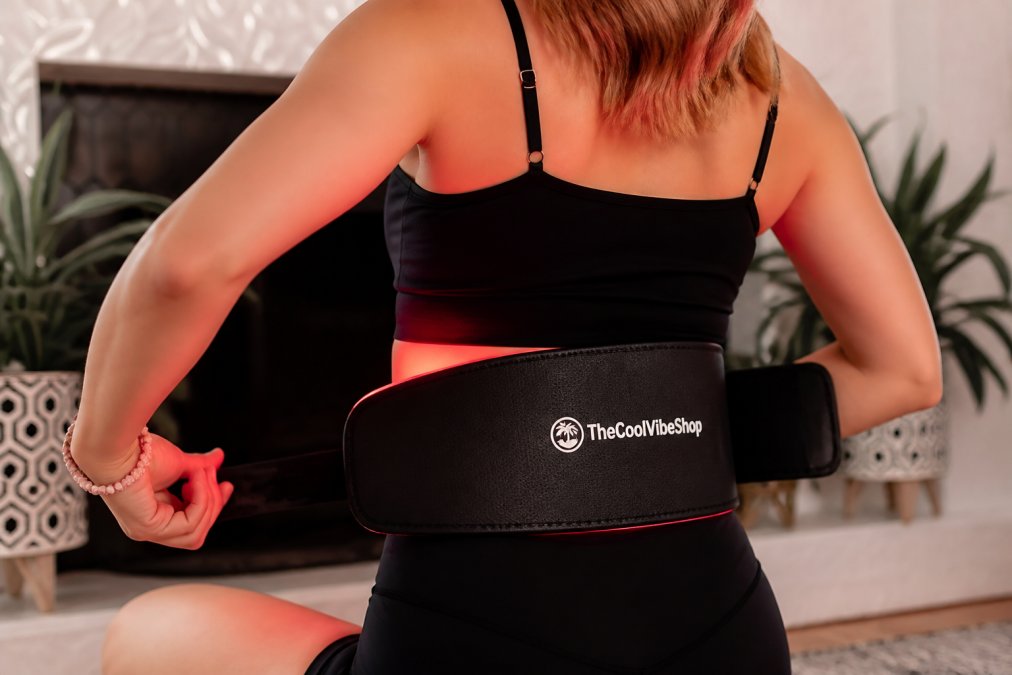
Position your device correctly. For the Full Body Red Light Therapy Mat, sit or lie on it with the treatment surface facing your skin. For targeted devices like the Wavelength Belt, ensure the light-emitting surface contacts the area you're treating.
Timing matters less than consistency. Use red light therapy whenever fits your schedule. The only exception is immediately before bed; the stimulating effect might interfere with sleep for some people.
Expect a 4-6 week timeline before noticeable results. Muscle soreness improves fastest, often within 1-2 weeks. Skin improvements take longer, 8-12 weeks minimum. Joint and connective tissue benefits appear gradually over 6-8 weeks.
If you experience skin irritation, reduce session duration by 50% and maintain that lower duration for one week before increasing again. If irritation persists, skip red light therapy for 3-5 days, then resume at the reduced duration.
Red light therapy is safe for daily use when you match your approach to your device's specifications and individual tolerance. The key to success is consistency combined with conservative dosing during your first 4-6 weeks. Your cells adapt to regular light exposure, and this adaptation produces lasting results.
At TheCoolVibeShop, we've designed our red light therapy solutions specifically for safe daily use. The Full Body Red Light Therapy Mat ($399.99) provides consistent irradiance across a large treatment surface, ideal for full-body recovery and wellness. For targeted treatment of specific areas like the neck, shoulders, or knees, the Wavelength Belt ($79.99) delivers therapeutic wavelengths in a convenient wearable format. The LED Face Mask ($99.99) offers lower-irradiance treatment optimized for facial skin health and collagen support. Each device includes detailed guidance on optimal frequency and duration for your specific goals.

Start conservatively, track your response, and adjust gradually. Most people find that daily red light therapy becomes a sustainable part of their wellness routine once they establish the right frequency and duration for their body. With our 60-day money-back guarantee, you can begin risk-free and discover whether red light therapy delivers the results you're seeking.
Frequently Asked Questions
What happens if I do red light therapy every day?
Daily red light therapy can accelerate tissue repair, reduce inflammation, and boost cellular energy production through ATP synthesis when used at appropriate irradiance levels. Most people experience cumulative benefits over 2-4 weeks of consistent daily use. However, exceeding recommended joules per square centimeter or extending sessions beyond 20-30 minutes daily may trigger photobiomodulation fatigue and diminishing returns. The key is maintaining consistency within your biological recovery cycles rather than increasing intensity arbitrarily.
Can you overdo red light therapy?
Yes. Overexposure occurs when irradiance levels exceed the therapeutic window or sessions exceed 30 minutes daily. Overuse can cause skin inflammation, temporary redness, eye strain, and thermal damage to superficial tissues. The FDA-cleared devices are designed with safety margins, but cumulative exposure matters. Most people benefit from 15-20 minute sessions 5-6 days per week rather than daily maximum-duration use. Biological recovery cycles typically require 1-2 rest days weekly to prevent oxidative stress.
How long should a red light therapy session last for daily use?
Most clinical evidence supports 15-30 minute sessions for daily use, depending on device irradiance and your skin type. Lower-irradiance home-use devices (under 50 mW/cm²) typically require 20-30 minutes, while higher-intensity devices (50-100 mW/cm²) work in 10-15 minutes. For facial applications, 10-15 minutes is standard. Start at 15 minutes daily and monitor your skin barrier and energy levels. If you experience persistent redness or fatigue, reduce to 3-4 sessions weekly with 20-minute durations.
Are there any side effects to daily red light therapy?
Side effects are rare when used correctly but can include temporary skin redness, mild eye discomfort if looking directly at the light, headaches during initial treatment, and skin sensitivity in people with photosensitive conditions. Daily use on sensitive skin types may cause mild irritation; those on photosensitizing medications should consult a healthcare provider first. Most adverse reactions resolve within days of adjusting frequency or duration. Thermal damage and collagen overstimulation are theoretical risks of chronic overexposure but uncommon with FDA-cleared home devices used as directed.
This article was written using GrandRanker