Natural Ways to Manage Muscle Soreness

Table of Contents
- Understanding Muscle Soreness and DOMS
- How Long Does Delayed Onset Muscle Soreness Last
- How to Fix Muscle Knots Fast with Targeted Techniques
- Anti-Inflammatory Foods and Nutrition for Recovery
- Benefits of Red Light Therapy for Muscles
- Sleep Optimization and Circadian Rhythm for Muscle Repair
- Natural Supplements and Herbal Remedies
- Conclusion
Last Updated: August 30, 2026
Understanding Muscle Soreness and DOMS
Muscle soreness comes in two forms. Delayed Onset Muscle Soreness (DOMS) is the stiffness and discomfort that peaks 24-72 hours after intense exercise or unfamiliar activity, caused by microscopic muscle fiber damage and inflammatory response, not lactic acid buildup. Acute soreness, felt during or immediately after exercise, is different from DOMS, which occurs when you push beyond your usual capacity.
DOMS isn't a sign of damage, it's a sign of adaptation. Your body is responding to a new stimulus, and inflammation is part of the healing process. Understanding this distinction changes your recovery strategy. You're not eliminating soreness entirely; you're supporting your body's natural repair processes and reducing the discomfort window.
Natural recovery focuses on accelerating tissue repair, reducing unnecessary inflammation, and restoring mobility.
How Long Does Delayed Onset Muscle Soreness Last
DOMS typically lasts 3-5 days for most people, though intensity, fitness level, and recovery quality affect duration (peer-reviewed research). New exercisers or those who dramatically increase intensity may experience soreness closer to 7 days. Soreness decreases significantly after day three in most cases.
Light movement and active recovery actually speed recovery by improving circulation and flushing metabolic byproducts. Complete immobility can extend soreness by reducing blood flow needed for tissue repair.
Several factors influence duration: age (recovery takes longer after 45), exercise type (eccentric movements like lowering weights cause more DOMS than concentric ones), hydration, sleep quality, and nutrition. Someone well-hydrated, sleeping 7-9 hours, and eating adequate protein recovers faster than someone neglecting these basics.
Previous exposure matters significantly. If you've done a movement before, your body adapts faster and soreness is minimal even with increased intensity. This is why people new to weightlifting experience intense soreness their first week, but by week three, the same workout produces barely any soreness.
How to Fix Muscle Knots Fast with Targeted Techniques
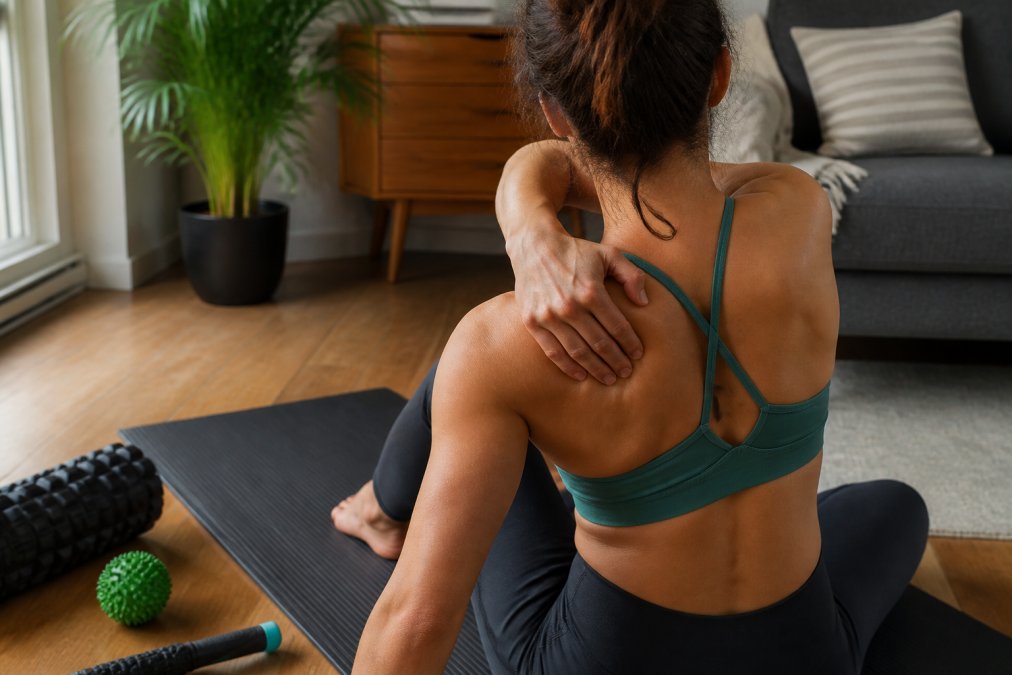
Muscle knots respond best to direct pressure, movement, and improved circulation. Addressing them early prevents chronic tension patterns.
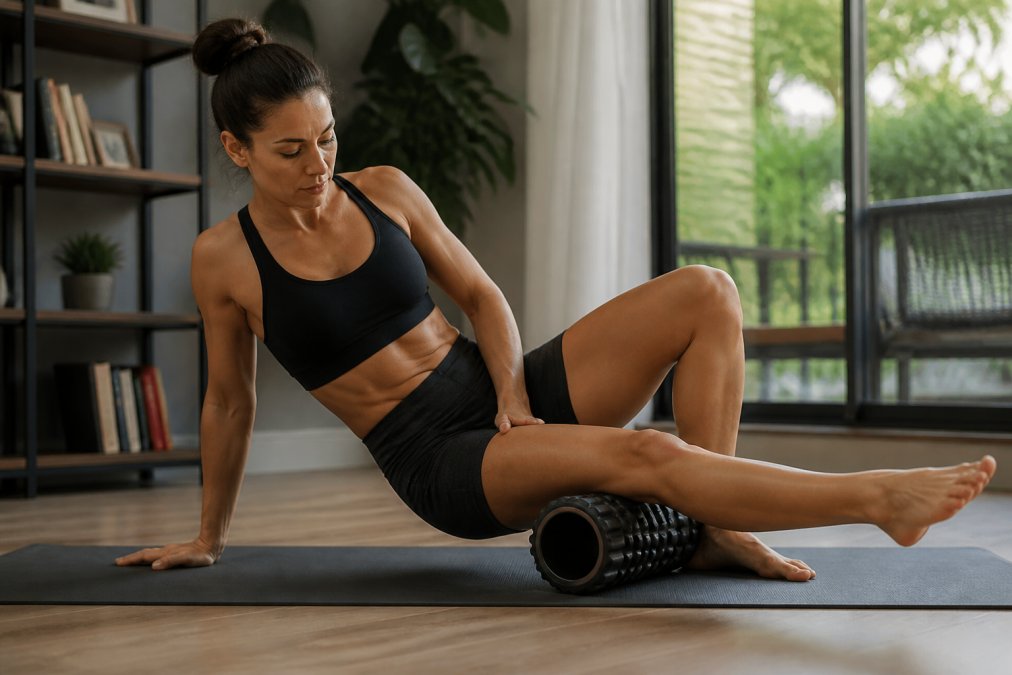
Foam rolling is highly effective at home. Roll slowly over the affected area for 30-60 seconds per knot. Moderate pressure that feels like deep massage works better than sharp pain. Targeted stretching lengthens muscles after pressure release; hold stretches 30-45 seconds with deep breathing to activate your parasympathetic nervous system and allow relaxation.
Heat therapy (15-20 minutes before massage or stretching) increases blood flow and makes muscles more pliable. Cold works better for acute inflammation; heat works better for chronic tension. Massage therapy, professional or self-administered, increases circulation, breaks up adhesions, and signals your nervous system the area is safe.
The sequence matters: start with heat, apply pressure (foam rolling or massage), then stretch. This progression prepares tissue, releases it, then lengthens it.
Anti-Inflammatory Foods and Nutrition for Recovery
What you eat directly influences muscle repair speed and inflammation reduction. Your muscles need specific nutrients to rebuild after damage.
Protein is essential: aim for 1.2-2 grams per kilogram of body weight daily if training regularly. Distribute protein across meals rather than loading it all at dinner. Omega-3 fatty acids actively reduce inflammation, fatty fish like salmon, mackerel, and sardines are rich sources. If you don't eat fish, use algae-based supplements or include flaxseeds, walnuts, and chia seeds.
Tart cherry juice has research supporting muscle recovery. Anthocyanins in tart cherries reduce oxidative stress and muscle damage markers. A small glass (8 oz) daily, particularly around workouts, helps manage soreness. Turmeric contains curcumin, a potent anti-inflammatory compound most effective when combined with black pepper for absorption.
Magnesium supports muscle relaxation and reduces cramps. Dark leafy greens, pumpkin seeds, almonds, and dark chocolate are good sources. Colorful vegetables, particularly red, orange, and dark green varieties, contain antioxidants that combat oxidative stress from intense exercise.
Hydration matters significantly. Dehydration slows recovery and increases soreness perception. Aim for half your body weight in ounces of water daily, more if training intensely or in hot conditions. Add electrolytes if sweating heavily.
Benefits of Red Light Therapy for Muscles
Red light therapy, specifically wavelengths between 600-700 nanometers, penetrates muscle tissue and stimulates mitochondrial function (peer-reviewed research). Your mitochondria produce ATP, the energy currency cells use for repair. More ATP means faster recovery and reduced soreness.

Red light wavelengths are absorbed by cytochrome c oxidase in your mitochondria, increasing ATP production. More cellular energy means faster protein synthesis, reduced inflammation markers, and quicker muscle function restoration. Red light therapy addresses multiple recovery aspects simultaneously: it reduces inflammatory cytokines, increases circulation to damaged tissue, and accelerates cellular repair.
Many athletes use red light therapy 15-20 minutes post-workout. Devices using 660nm red light and 850nm near-infrared light together produce better results than red light alone, since near-infrared penetrates deeper. TheCoolVibeShop's Cordless Red Light Therapy for Neck Shoulder Pain Relief combines both wavelengths at 660nm and 850nm for deeper muscle tissue recovery.
For general muscle soreness, consistent use of red light therapy may contribute to reduced soreness duration. Consistent use produces better results than sporadic treatment.
Sleep Optimization and Circadian Rhythm for Muscle Repair
Sleep is where most muscle repair happens. Growth hormone, which drives tissue repair and protein synthesis, is released primarily during deep sleep. Poor sleep prevents recovery no matter what supplements or therapy devices you use.
Your circadian rhythm regulates when growth hormone is released, when cortisol (a stress hormone that slows recovery) peaks, and how well your immune system functions. Optimizing your circadian rhythm directly improves muscle recovery.
Sleep timing matters. Going to bed and waking at the same time trains your body's internal clock, improving sleep quality and hormone regulation. Most people need 7-9 hours; athletes in heavy training phases often benefit from 8-10 hours.
Light exposure is critical. Get bright light exposure within the first hour of waking, ideally sunlight, to set your circadian clock. Dim lights 1-2 hours before bed and avoid screens, as blue light suppresses melatonin production.
Temperature affects sleep quality. A cool bedroom (around 65-68°F) supports the core body temperature drop needed for quality sleep (the NIH). Some find a warm bath 1-2 hours before bed helpful.
Exercise timing influences sleep. Finish intense training at least 3-4 hours before sleep. Light movement, stretching, or yoga closer to bedtime improves sleep quality.
Magnesium supplementation (200-400mg) 1-2 hours before bed improves sleep quality for many people. The relationship between sleep and muscle soreness is direct: better sleep means faster recovery and less soreness.
Natural Supplements and Herbal Remedies
Several supplements and herbal remedies support muscle soreness and recovery. Understanding which have practical support matters.
Boswellia (frankincense extract) reduces inflammatory markers and joint pain. Typical dosing is 300-500mg daily; expect 2-3 weeks before noticeable improvement. Glucosamine and collagen support connective tissue integrity. Collagen supplementation (10-20g daily) supports recovery and skin health.
Ginger reduces inflammatory markers and muscle soreness when consumed regularly. Fresh ginger in tea or supplemental ginger extract (500-1000mg) both work. Curcumin (turmeric's active compound) requires black pepper for absorption. Supplements combining curcumin with piperine are more effective. Dosing around 500-1000mg daily is typical.
Essential oils like eucalyptus and peppermint support recovery topically with massage, increasing circulation. Magnesium supplementation helps if your diet is low in magnesium-rich foods. Glycinate and threonate forms absorb better than oxide. Evening dosing (200-400mg) supports sleep and muscle relaxation.
Supplements support recovery but don't replace fundamentals. Sleep, hydration, nutrition, and movement matter far more than any supplement.
Practical Recovery Protocol for Different Activities
Different activities cause different soreness types and require tailored recovery approaches.
For strength training: Focus on protein intake (1.6-2.2g per kg body weight), red light therapy post-workout, and sleep. Soreness typically resolves in 3-5 days. Light activity the next day accelerates recovery.

For endurance activities: Emphasize hydration with electrolytes, anti-inflammatory foods (particularly omega-3s and tart cherry), and recovery sleep. Soreness often lasts 4-7 days. Active recovery (easy cycling, swimming) helps more than complete rest.
For new activities or sports: Expect soreness to last 5-7 days initially, then decrease significantly with repetition. Gradual progression (increasing intensity 10% per week) reduces soreness compared to dramatic jumps.
For aging athletes (45+): Recovery takes longer. Prioritize sleep (8-9 hours), ensure adequate protein, use heat therapy before activity, and consider red light therapy.
Consistency matters across all activities. One good recovery day doesn't matter; consistent sleep, hydration, nutrition, and movement create the environment where your body repairs efficiently. TheCoolVibeShop's Cupping Kit for Massage Therapy with Red Light combines multiple recovery modalities in one device, making it practical for consistent daily use.
Managing muscle soreness naturally requires addressing multiple recovery factors simultaneously. Sleep quality, nutrition, hydration, movement, and targeted therapies like red light treatment all contribute to faster recovery. The mistake most people make is treating soreness as something to eliminate immediately rather than as a signal to support their body's repair process. By implementing these natural approaches consistently, soreness duration decreases, training capacity improves, and overall resilience increases. Start with fundamentals, sleep and nutrition, then layer in targeted techniques based on your specific needs. With the right recovery strategy backed by modern wellness tools from TheCoolVibeShop, you can manage muscle soreness effectively and train with confidence.
=== FAQ ANSWERS (audit these too, same rules) ===
[1] Q: What helps muscle soreness go away fast? A: The fastest relief combines multiple approaches: heat therapy to increase circulation, gentle stretching to reduce muscle stiffness, hydration with electrolytes to support tissue repair, and anti-inflammatory foods like tart cherry juice or turmeric. Red light therapy can accelerate cellular regeneration and may contribute to reduced soreness within days. Adequate sleep is critical since muscle repair happens during rest. Most people see significant improvement within 3-5 days using this layered approach.
[2] Q: How long does delayed onset muscle soreness last? A: DOMS typically peaks 24-48 hours after intense exercise and resolves within 5-7 days. However, duration depends on exercise intensity, your fitness level, and recovery practices. Active recovery strategies like light movement, stretching, and proper hydration can shorten this window by 1-2 days. Red light therapy and massage therapy may accelerate recovery, potentially reducing soreness duration.
[3] Q: What natural supplements help with sore muscles? A: Effective natural supplements include tart cherry juice (reduces oxidative stress), turmeric and boswellia (anti-inflammatory properties), magnesium (supports muscle relaxation), glucosamine and collagen (support connective tissue), and omega-3 fatty acids (reduce inflammation). Combine supplements with hydration and electrolyte intake for best results. Always consult a healthcare provider before starting new supplements, especially if you're on medications, to avoid contraindications.
[4] Q: Can I exercise when my muscles are sore from DOMS? A: Light, low-impact activity actually helps reduce soreness by improving circulation and reducing muscle stiffness. Walking, gentle yoga, or swimming are ideal. Avoid intense exercise targeting the same muscles until soreness subsides. Focus on active recovery instead: stretching, foam rolling, and heat therapy promote tissue repair without adding stress. This balanced approach speeds recovery while preventing further micro-tears.
Frequently Asked Questions
Q: What helps muscle soreness go away fast?
A: The fastest relief combines multiple approaches: heat therapy to increase circulation, gentle stretching to reduce muscle stiffness, hydration with electrolytes to support tissue repair, and anti-inflammatory foods like tart cherry juice or turmeric. Red light therapy can accelerate cellular regeneration and may contribute to reduced soreness within days. Adequate sleep is critical since muscle repair happens during rest. Most people see significant improvement within 3-5 days using this layered approach.
Q: How long does delayed onset muscle soreness last?
A: DOMS typically peaks 24-48 hours after intense exercise and resolves within 5-7 days. However, duration depends on exercise intensity, your fitness level, and recovery practices. Active recovery strategies like light movement, stretching, and proper hydration can shorten this window by 1-2 days. Red light therapy and massage therapy may accelerate recovery, potentially reducing soreness duration.
Q: What natural supplements help with sore muscles?
A: Effective natural supplements include tart cherry juice (reduces oxidative stress), turmeric and boswellia (anti-inflammatory properties), magnesium (supports muscle relaxation), glucosamine and collagen (support connective tissue), and omega-3 fatty acids (reduce inflammation). Combine supplements with hydration and electrolyte intake for best results. Always consult a healthcare provider before starting new supplements, especially if you're on medications, to avoid contraindications.
Q: Can I exercise when my muscles are sore from DOMS?
A: Light, low-impact activity actually helps reduce soreness by improving circulation and reducing muscle stiffness. Walking, gentle yoga, or swimming are ideal. Avoid intense exercise targeting the same muscles until soreness subsides. Focus on active recovery instead: stretching, foam rolling, and heat therapy promote tissue repair without adding stress. This balanced approach speeds recovery while preventing further micro-tears.
This article was written using GrandRanker