At-Home Muscle Recovery Routine: 7-Step Guide

Table of Contents
- Why Your Muscle Recovery Routine Matters
- Step 1: Cool Down and Stretch Within 15 Minutes
- Step 2: Rehydrate and Replenish Electrolytes
- Step 3: Eat Protein and Carbs for Muscle Protein Synthesis
- Best Recovery Tools for Athletes at Home
- Active Recovery Exercises at Home
- How to Reduce Muscle Soreness After Workout
- Step 4: Prioritize Sleep and Circadian Rhythm
Last Updated: August 28, 2026
Why Your Muscle Recovery Routine Matters
Your muscles grow during recovery, not during workouts. When protein synthesis accelerates and damaged muscle fibers rebuild stronger, you gain strength. Skip proper recovery, and you're leaving gains on the table while increasing injury risk.
At TheCoolVibeShop, we empower you to live stronger and brighter with premium, non-invasive wellness essentials, offering a natural, drug-free path to relaxation and recovery. Our modern red light therapy solutions and gentle massage devices are designed for safe, everyday use, helping to alleviate muscle soreness, reduce cellulite, and support your overall well-being.

This guide walks you through a complete 7-step at-home muscle recovery routine that fits into real life, whether you're recovering from intense strength training, endurance work, or high-impact exercise.
Step 1: Cool Down and Stretch Within 15 Minutes
Your recovery window opens the moment your workout ends. The first 15 minutes matter most. A proper cool-down gradually lowers your heart rate, prevents blood pooling, and signals your nervous system to shift from sympathetic (fight-or-flight) to parasympathetic (rest-and-digest) mode. This transition is critical for inflammation reduction and muscle repair.

Start with 5-10 minutes of low-intensity movement. After strength training, walk at an easy pace. After cardio, reduce intensity by 50% for the final few minutes rather than stopping abruptly.
Static stretching for muscle repair
Static stretching, holding a stretch for 20-30 seconds without bouncing, works best post-workout when muscles are warm and pliable. Research shows post-workout stretching reduces delayed onset muscle soreness and supports muscle protein synthesis by promoting blood flow to damaged tissue.
Hold each major stretch for 30 seconds, performing 2-3 repetitions per muscle group (peer-reviewed research). Focus on areas you just worked.
Target tight muscle groups
Don't stretch everything equally. After lower-body sessions, prioritize hamstrings, quads, hip flexors, and calves. After upper-body work, focus on chest, shoulders, and lats. Common tight spots for desk workers combined with fitness training include hip flexors, chest, and anterior shoulders. Spending extra time here pays dividends.
Step 2: Rehydrate and Replenish Electrolytes
Dehydration impairs every recovery mechanism your body needs. Sweat depletes water and electrolytes, sodium, potassium, magnesium, and calcium, that regulate muscle contraction, nervous system signaling, and inflammation response. Plain water alone isn't enough if you've sweated significantly.
Within 15 minutes of finishing your workout, consume a fluid with electrolytes (acsm.org). A simple approach: water with a pinch of salt and lemon or lime. For structured options, look for drinks containing sodium (300-500mg per serving) and carbohydrates (4-8% solution). Sodium helps your body retain fluids better than water alone, and carbs replenish glycogen stores fueling muscle recovery.
Aim to drink about 16-24 ounces of electrolyte fluid in the first 30 minutes post-workout, then continue hydrating throughout the day. Drink enough that your urine is pale yellow, not dark. Dark urine indicates dehydration, which slows tissue repair and increases inflammation.
Step 3: Eat Protein and Carbs for Muscle Protein Synthesis
Your muscles are primed to accept nutrients for several hours after exercise. Eating within 60 minutes accelerates muscle protein synthesis and replenishes depleted glycogen stores more efficiently.
Consume a meal or snack containing both protein and carbohydrates. Protein provides amino acids for tissue repair, while carbs trigger insulin release, which shuttles nutrients into muscle cells and reduces cortisol levels. A simple post-workout meal might be chicken with rice, Greek yogurt with berries, or a protein shake with a banana.
Aim for 20-40 grams of protein depending on your body size and workout intensity. Include 30-40 grams of carbs to optimize muscle protein synthesis. A real meal beats a perfectly calculated supplement. The key is providing raw materials for tissue remodeling within a reasonable timeframe.
Best Recovery Tools for Athletes at Home
Modern recovery tools amplify what your body naturally does during rest, addressing inflammation reduction, blood flow circulation, myofascial release, and nervous system regulation.
Red light therapy for inflammation reduction
Red light therapy (wavelengths 600-700 nanometers) and near-infrared light (700-1000 nanometers) penetrate muscle tissue and stimulate mitochondrial function, increasing ATP production and reducing inflammatory markers. Your cells produce more energy, accelerating repair processes.
Consistent use of red light therapy may contribute to reduced soreness, faster tissue healing, and improved blood flow circulation.
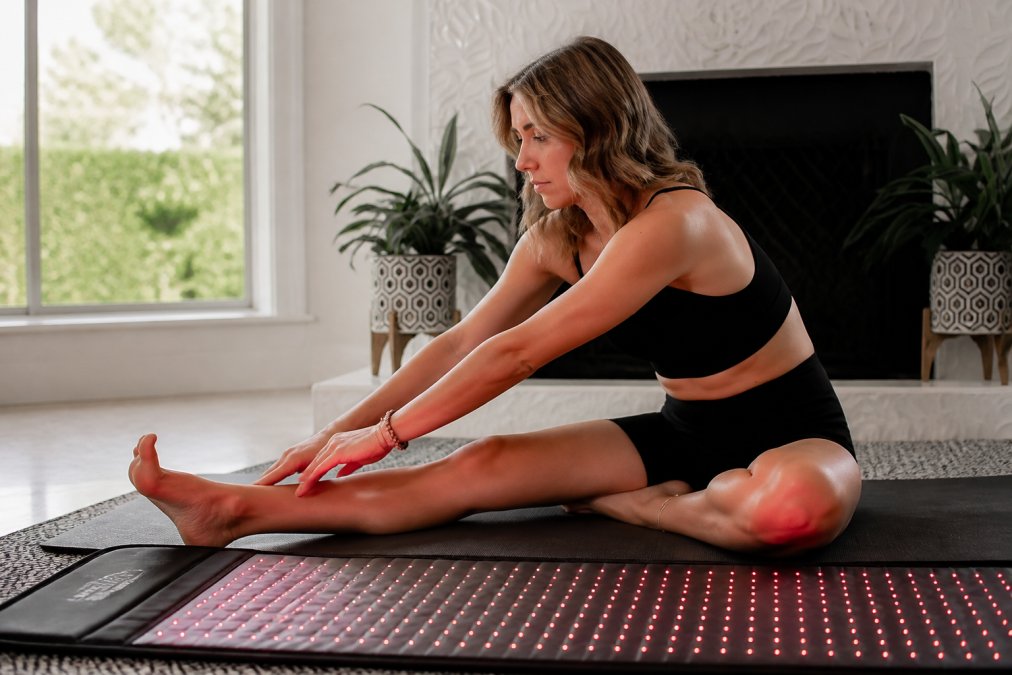
TheCoolVibeShop's Full Body Red Light Therapy Mat ($399.99) covers large surface areas simultaneously, making it practical for home use. The mat emits therapeutic wavelengths across your back, legs, or full body. Many athletes use it post-workout or before bed to enhance recovery protocols. The device includes adjustable intensity settings.
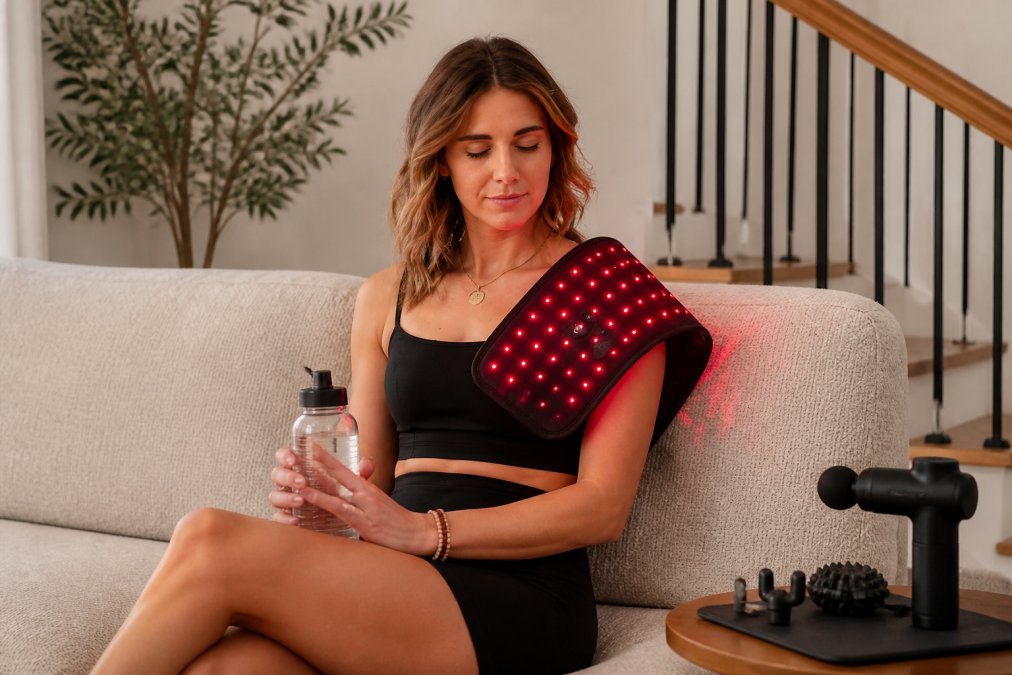
For targeted joint and muscle pain, the Topcupro 4-in-1 Red Light Therapy Wrap ($154.99) focuses therapy on specific areas: knees, elbows, shoulders, ankles. The wrap design allows hands-free use while you recover.
Myofascial release and foam rolling
Myofascial release applies pressure to muscle tissue and fascia, breaking up adhesions that restrict movement and blood flow. Foam rolling is the most accessible DIY approach. A basic foam roller costs $20-40 and lasts years.
Slowly roll the muscle group over the roller, pausing 2-3 seconds on tender spots. Spend 60-90 seconds per muscle group, 3-4 times weekly. Post-workout is ideal.
For deeper work, consider a massage gun or electric cupping device. TheCoolVibeShop's Electric Cupping Kit ($139.99) combines cupping, scraping, massage, heating, and red light therapy in one device. The 12 adjustable suction levels customize intensity. Cupping therapy increases blood flow circulation to affected areas and is particularly effective for muscle soreness in the back, shoulders, and legs.

Active Recovery Exercises at Home
Active recovery means moving gently without adding training stress. This deliberate, low-intensity activity promotes blood flow circulation and tissue remodeling without taxing your central nervous system.
Low-intensity mobility work
Mobility work improves joint range of motion while promoting parasympathetic activation. Spend 10-15 minutes on bodyweight movements performed slowly and controlled: arm circles, leg swings, cat-cow stretches, glute bridges, and inchworms. Move through full range of motion without forcing or bouncing.
Your heart rate should stay low; you should be able to hold a conversation. This activates your parasympathetic nervous system, signaling your body that it's safe to prioritize recovery.
Walking and dynamic movement
Walking is underrated as a recovery tool. A 20-30 minute walk at easy pace increases blood flow circulation, reduces cortisol levels, and supports parasympathetic nervous system function without creating metabolic demand. Walking outdoors adds circadian rhythm benefits from natural light exposure.
Include at least one active recovery session daily on training days, and consider full active recovery days 1-2 times weekly.
How to Reduce Muscle Soreness After Workout
Delayed onset muscle soreness (DOMS) peaks 24-48 hours after intense training. It's a normal adaptive response. You can't eliminate it entirely, but you can significantly reduce severity and duration.
Managing delayed onset muscle soreness (DOMS)
DOMS results from microscopic muscle damage and the inflammatory response that follows. Inflammation reduction strategies address this directly: red light therapy, ice/heat contrast therapy, proper hydration, and anti-inflammatory nutrition (foods rich in omega-3 fatty acids, polyphenols, and antioxidants).
Contrast therapy, alternating hot and cold exposure, is particularly effective. A simple protocol: 2-3 minutes in warm water, then 1-2 minutes in cold water, repeated 3-4 times. This cycle promotes blood flow circulation and reduces inflammation markers.
Cold exposure alone works well immediately post-workout when inflammation is acute. Heat therapy is better 24+ hours later when inflammation has peaked and you're focused on promoting blood flow for tissue repair.
The YZYOE Infrared Light Therapy Device ($72.99) provides portable heat and light therapy for targeted soreness. Use it 10-15 minutes daily on areas experiencing DOMS.
Sleep quality and recovery protocols
Sleep is when most muscle protein synthesis and tissue remodeling occurs. Poor sleep sabotages every other recovery strategy. Prioritize 7-9 hours nightly with consistent bedtime and wake times to stabilize your circadian rhythm.
Sleep hygiene fundamentals: dark room (blackout curtains or eye mask), cool temperature (65-68°F is ideal), no screens 30-60 minutes before bed, and consistent timing. Your circadian rhythm regulates cortisol, growth hormone, and melatonin production. Irregular sleep disrupts all three, impairing recovery significantly.
Avoid intense training within 3 hours of bedtime. Morning or midday training is preferable for better sleep quality.
Magnesium supplementation (200-400mg before bed) supports sleep quality and muscle relaxation. Dietary sources like spinach, pumpkin seeds, and almonds work equally well if you consume enough.
Step 4: Prioritize Sleep and Circadian Rhythm
Sleep is where recovery actually happens. During deep sleep stages, your body releases growth hormone, increases muscle protein synthesis, consolidates neural adaptations from training, and repairs tissue damage.
Your circadian rhythm regulates when you feel alert and tired. Light exposure, meal timing, and exercise timing all influence this rhythm. Morning light exposure (15-30 minutes of sunlight within 2 hours of waking) sets your circadian rhythm forward, making evening sleep easier.
Consistency matters more than perfection. Going to bed and waking at the same time daily, even weekends, stabilizes your circadian rhythm and improves sleep quality significantly.
If you train in the evening, allow 2-3 hours before sleep. Use that time for stretching, mobility work, and red light therapy. These activities promote parasympathetic activation while training-induced sympathetic stimulation wears off.
A cool room (around 65-68°F) supports sleep quality. Some athletes use cold showers 2-3 hours before bed to lower core body temperature, facilitating sleep onset.
Proper recovery isn't complicated, but it is non-negotiable if you want consistent training results and long-term injury prevention. The seven steps outlined here address major recovery mechanisms: parasympathetic activation, inflammation reduction, tissue repair nutrition, blood flow circulation, and sleep quality.
TheCoolVibeShop's recovery tools, red light therapy mats, cupping devices, and infrared wraps, amplify what your body does naturally. These aren't shortcuts; they're tools that accelerate proven recovery mechanisms. Start with the basics: cool down, stretch, hydrate, eat protein, move actively, and sleep well. Add tools like red light therapy when you're ready to optimize further. The 60-day money-back guarantee means you can test whether these tools work for your specific recovery needs without financial risk. Get started with TheCoolVibeShop and experience faster recovery, reduced soreness, and better training consistency.
Frequently Asked Questions
Q: What is the difference between active and passive recovery?
A: Active recovery involves low-intensity movement like walking or mobility work that maintains blood flow circulation without causing additional muscle fatigue. Passive recovery means complete rest, allowing your parasympathetic nervous system to dominate and tissue repair to accelerate. Both are essential, active recovery on rest days prevents stiffness, while passive recovery allows muscle protein synthesis and tissue remodeling to occur fully. Most athletes benefit from combining both throughout the week.
Q: How can red light therapy improve my at-home recovery routine?
A: Red light therapy penetrates muscle tissue and reduces inflammation at the cellular level, supporting faster tissue repair and blood flow circulation. Studies suggest it can decrease delayed onset muscle soreness (DOMS) and speed recovery after intense physical exertion. TheCoolVibeShop's red light therapy devices, like the Full Body Red Light Therapy Mat ($399.99) and targeted wraps, deliver consistent wavelengths that activate mitochondrial function. Using it 15-20 minutes post-workout as part of your recovery protocol may help reduce muscle soreness.
Q: What are signs of poor muscle recovery?
A: Poor recovery shows up as persistent muscle fatigue that doesn't improve after 48 hours, chronic soreness, declining workout performance, elevated resting heart rate, trouble sleeping, or increased irritability. These signal overtraining syndrome or inadequate rest intervals. You may also notice slow tissue repair, injuries that don't heal, or muscle tightness that worsens. If you experience these signs, extend rest days, reduce workout intensity, prioritize sleep quality, and ensure adequate macronutrient intake, especially protein for muscle protein synthesis.
Q: How long should an at-home muscle recovery routine take?
A: A complete post-workout recovery routine takes 20-45 minutes depending on intensity. Start with 5-10 minutes of static stretching and cool-down movement, 10-15 minutes for hydration and nutrition, and 10-15 minutes with recovery tools like myofascial release or red light therapy. On rest days, active recovery like walking or mobility work should last 20-30 minutes. The key is consistency, short, regular sessions beat sporadic long ones. Even 15 minutes daily of focused recovery beats skipping it entirely.
This article was written using GrandRanker