Is Daily Massage Safe for Sensitive Skin? A 2026 Guide

Table of Contents
- Daily Massage for Sensitive Skin: What the Research Says
- How Long Should a Daily Massage Last for Sensitive Skin?
- Safe Massage Techniques for Inflammation and Redness
- Signs Your Skin Barrier Needs a Break
- Best Massage Tools for Sensitive Skin: Hands vs. Devices
- Choosing the Right Oils and Avoiding Irritants
- The Verdict: Is Daily Facial Massage Safe for You?
- Frequently Asked Questions
Last Updated: September 4, 2026
Sensitive skin reacts to friction, pressure, and active ingredients faster than other skin types, making is daily massage safe for sensitive skin more nuanced than a simple yes or no. For most with mild sensitivity, a short, gentle daily facial massage is safe and supports circulation and lymphatic drainage. For those managing rosacea, active inflammation, or a compromised skin barrier, daily massage may worsen redness. This guide from TheCoolVibeShop explains which category you fall into, how long sessions should last, and which techniques and tools keep skin calm.
The key difference comes down to pressure, duration, and product choice. A daily routine using light touch with a hypoallergenic lubricant can benefit skin elasticity and cell regeneration. The same routine with heavy pressure or the wrong oil can create micro-tears and trigger an allergic reaction. Below are the exact parameters for safe daily massage, warning signs your skin needs a break, and tools that minimize risk.
Daily Massage for Sensitive Skin: What the Research Says
Daily facial massage is safe for sensitive skin when it avoids deep pressure, high friction, and known irritants. Clinical benefits like improved circulation and reduced tension are well documented, but safety depends on how your skin barrier responds to repeated stimulation. Tolerance varies widely, so what feels soothing on day one may cause redness by day five if your barrier is compromised.
A common mistake is treating sensitive skin like normal skin. Sensitive skin has a thinner or more reactive barrier, so the margin for error is smaller. Gentle pressure that glides without dragging is safest. Pinching, tapping hard, or rubbing back and forth creates friction, the primary cause of post-massage irritation.
Start with a patch test on your jawline for three to four days. If no redness or stinging appears, a daily routine is likely fine. If your skin reacts, reduce frequency to every other day and reassess your technique and products.
How Long Should a Daily Massage Last for Sensitive Skin?
A daily massage for sensitive skin should last 3 to 5 minutes total, enough to stimulate circulation and lymphatic drainage without overworking the barrier. Sessions longer than 10 minutes increase the risk of friction-related redness, especially when repeated daily (peer-reviewed research).
Split your time across the key areas rather than focusing on one spot. A practical breakdown looks like this:
- Spend 60 seconds on the forehead and temples using upward, outward strokes
- Spend 60 seconds on the cheeks, working from the nose toward the ears
- Spend 60 seconds on the jawline and neck, using light upward motions
- Finish with 60 seconds of gentle pressure along the collarbone to encourage lymphatic drainage
Keep your fingers gliding at all times. If you feel drag or resistance, add more lubricant. Dry massage is a leading cause of micro-tears and post-massage tightness.
| Session Length | Recommended Frequency | Best For |
|---|---|---|
| 3-5 minutes | Daily | Mild sensitivity, maintenance |
| 5-10 minutes | 3-4 times per week | Moderate sensitivity, de-puffing |
| 10-15 minutes | Weekly | Deep relaxation, no active irritation |
Safe Massage Techniques for Inflammation and Redness
The safest technique for inflammation-prone skin is effleurage, a light stroking motion that follows the face's natural contours without pressing into tissue. It supports lymphatic drainage and reduces puffiness with minimal pressure. Avoid tapotement or deep kneading, which stimulate surface blood flow and can worsen redness in rosacea-prone skin (the American Academy of Dermatology).
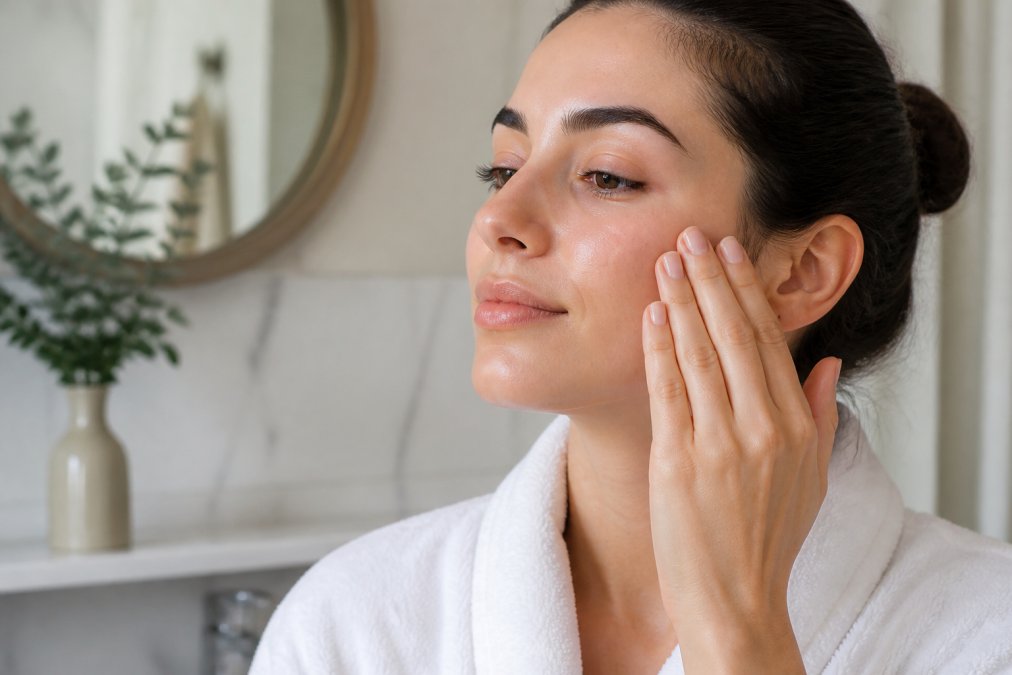
Start with clean hands and a clean face. Apply a thin layer of fragrance-free, hypoallergenic oil or balm. Use your ring fingers, which apply the least pressure, and move in slow, upward strokes. Each stroke should take about two seconds.
For rosacea, keep massage to the cheeks and forehead, avoiding the center of the face where flushing is most common. Keep sessions around 3 minutes and stop immediately if skin darkens or feels hot. Patting with a cool damp cloth afterward can calm reactive blood vessels.
Signs Your Skin Barrier Needs a Break
Your skin will tell you when daily massage is too much. Reliable barrier health indicators are persistent redness lasting more than an hour after a session, tightness or stinging when applying water, and a rough texture (peer-reviewed research). If you notice any of these, stop daily massage and give your skin 48 to 72 hours to recover.
Other warning signs include increased sensitivity to products you normally tolerate, visible flaking, and burning during massage. These suggest the stratum corneum has been compromised. Continuing to massage a damaged barrier deepens irritation and can lead to prolonged inflammation.
During a break, focus on barrier repair with a gentle cleanser and ceramide-rich moisturizer. Once skin feels calm and looks even, restart massage every other day with reduced pressure. Build tolerance gradually rather than forcing a daily habit your skin rejects.
Best Massage Tools for Sensitive Skin: Hands vs. Devices
Choosing between hands and a tool is a safety decision, not just a preference. For sensitive skin, the primary risk isn't the tool itself but the uncontrolled pressure and friction it can create.
Hands: The Gold Standard for Control
Your hands remain the safest choice because they provide the most precise feedback. Your fingertips sense the slightest resistance or heat, allowing real-time pressure adjustment, critical for sensitive skin. Use your ring and pinky fingers, which exert the least force, and keep your touch light enough to move the skin's surface without pressing into muscle tissue.
Gua Sha and Rollers: Proceed with Caution
Gua sha tools and jade rollers introduce a fixed angle and weight you cannot feel as acutely as your fingers. The main risk is too much pressure, especially on bony areas like cheekbones or the under-eye region. If using a roller, choose stainless steel or medical-grade silicone, which are non-porous and easier to sanitize than jade or quartz. A heavier stone roller can inadvertently apply more pressure. For gua sha, keep the edge at a low angle (15 to 30 degrees) and use enough oil to ensure the tool glides without catching.
Silicone and Electronic Devices: Low Risk, High Specificity
Silicone facial massagers are safer for sensitive skin because the material has natural 'give' and doesn't create the hard pressure of stone or metal. They are also easier to clean. For electronic devices, avoid high-vibration settings, which can overstimulate nerve endings and trigger redness. With a red light therapy device like the Facial Massager Red-Light-Therapy-for-Face and Neck Face Sculpting Wand, the light is generally safe, but use the massage head at its lowest intensity with a slip agent. A dry surface on a vibrating device is a recipe for friction-induced irritation.

A Practical Safety Checklist for Tools
Before using any tool on sensitive skin, run through this checklist:
- Sanitize: Clean the tool with 70% isopropyl alcohol and let it air dry completely.
- Lubricate: Apply a generous layer of a fragrance-free, hypoallergenic oil or balm. If the tool doesn't glide effortlessly, you don't have enough slip.
- Test: On a clean, dry forearm, run the tool at your intended pressure. If it leaves any redness or feels rough, it's too aggressive for your face.
- Time Limit: Limit tool use to 2 minutes per session, which is shorter than hand massage, to minimize cumulative friction.
- Avoid Active Breakouts: Never use a tool over areas with active acne, broken capillaries, or eczema flare-ups. The mechanical action can spread bacteria and worsen inflammation.
The best tool is the one you can use with the least force. For many with sensitive skin, that means no tool at all. If you incorporate one, start with a silicone option and use it once a week to see how your skin responds before increasing frequency.
Choosing the Right Oils and Avoiding Irritants
The lubricant you choose is the difference between a massage that calms and one that causes contact dermatitis. For sensitive skin, the fewer ingredients, the better. Here's what to use, what to avoid, and a post-massage protocol to mitigate residual redness.
Carrier Oils That Work
Look for single-ingredient, cold-pressed carrier oils that are non-comedogenic with a molecular structure similar to your skin's sebum. The safest options are:
- Squalane: A saturated oil derived from olives or sugarcane. It's incredibly lightweight, mimics the skin's natural lipids, and is virtually non-irritating.
- Jojoba Oil: Technically a liquid wax ester, it closely resembles human sebum and helps regulate oil production without clogging pores.
- Grapeseed Oil: A light, dry oil that provides good slip without a heavy residue. It's high in linoleic acid, which can be beneficial for barrier support.
- Fractionated Coconut Oil: Unlike regular coconut oil, this version has the long-chain fatty acids removed, making it liquid at room temperature and less likely to clog pores.
Ingredient-Specific Triggers to Avoid
It's not enough to say 'avoid fragrance.' You need to know the specific culprits that trigger sensitive skin and rosacea:
- Essential Oils: This is a hard no. Even 'gentle' ones like lavender, chamomile, and tea tree oil are common contact allergens. They contain volatile aromatic compounds that can cause stinging, burning, and delayed allergic reactions, especially when used daily.
- Citrus Extracts: Any oil with 'limonene' or 'linalool' in the ingredients list is a risk. These are often used as natural fragrances and are potent sensitizers.
- Menthol and Peppermint: These create a cooling sensation that can feel soothing but actually stimulates TRPM8 receptors, which can trigger vasodilation and worsen redness in rosacea-prone skin.
- Alcohol (Denatured, SD Alcohol): Used as a carrier or preservative, alcohol strips the skin barrier, increasing transepidermal water loss and making it more vulnerable to friction.
- Comedogenic Heavy Oils: Avoid coconut oil (unfractionated), wheat germ oil, and soybean oil, which have a high comedogenic rating and can clog pores, leading to breakouts that complicate your routine.
The Post-Massage Cool-Down Protocol
Redness is the most common side effect of massage on sensitive skin, even when you do everything right. Implement a 'cool-down' routine immediately after your session:
- Cool Compress: Soak a soft cotton cloth in cool (not ice-cold) water. Wring it out and press it gently against your face for 30 to 60 seconds. This constricts superficial blood vessels and reduces flushing.
- Wait 5 Minutes: Allow your skin to return to its baseline temperature before applying any other products. This prevents active ingredients from penetrating too quickly and causing stinging.
- Apply a Barrier Cream: Use a simple moisturizer with ceramides and niacinamide. These ingredients help reinforce the skin barrier and calm inflammation. Avoid products with alpha-hydroxy acids (AHAs), retinoids, or vitamin C immediately after massage, as the increased circulation can enhance their penetration and cause irritation.
- Skip the Ice Roller: While an ice roller might seem like a good idea, the extreme cold can cause a rebound flush in sensitive skin. A cool cloth is safer and more effective.
If using a device like the Under-Eye Red Light Therapy Skin Rejuvenation and Relaxation Massager, check the manufacturer's guidance on dry skin versus serum use. Some devices are designed for dry use, and adding oil can damage the surface or reduce light therapy effectiveness.

The Verdict: Is Daily Facial Massage Safe for You?
Daily facial massage is safe for sensitive skin only when your barrier is intact, pressure is light, and products are free of irritants. With no active inflammation, a 3 to 5 minute session with hypoallergenic oil is a reasonable daily practice. If you manage rosacea or notice barrier warning signs, reduce frequency to every other day and prioritize calming techniques.
The decision comes down to listening to your skin rather than following a rigid routine. Start slow, keep sessions short, and adjust based on how your skin responds over two weeks. Many with sensitive skin find a consistent but moderate routine delivers tension relief and glow without the redness they fear.
For those looking to incorporate gentle technology into their routine, TheCoolVibeShop designs non-invasive massage and red light therapy devices for safe, everyday use. The 60-day money-back guarantee lets you test whether a daily practice works for your skin without the risk of a costly mistake. Shop Now to explore options that support your well-being while respecting your skin's limits.
Frequently Asked Questions
Can daily massage cause skin irritation or redness?
Yes, if done with too much pressure, for too long, or without a proper lubricant. Daily massage is safe for sensitive skin when sessions are kept to 5-10 minutes using gentle, upward strokes. Friction without enough slip can create micro-tears in the skin barrier, leading to redness and irritation. Always use a hypoallergenic oil or cream and stop if you notice any stinging or burning sensation.
What are the best oils for massaging sensitive skin?
Look for non-comedogenic, fragrance-free carrier oils like squalane, jojoba, or grapeseed oil. These mimic the skin's natural sebum and are less likely to cause an allergic reaction. Avoid essential oils, which are common irritants, and always perform a patch test on your inner arm 24 hours before applying a new product to your face. This helps confirm your skin tolerance before a full application.
How long should a daily facial massage session last?
For sensitive skin, limit your daily routine to 5 minutes. This is enough time to boost circulation and promote lymphatic drainage without overstimulating the skin. Extending a session to 10 or 15 minutes increases friction and pressure, which can trigger inflammation and compromise the skin barrier. Consistency matters more than duration, so a short daily practice is safer and more effective than a long weekly one.
Is it safe to use a facial massage tool every day?
Yes, but the tool matters. Manual tools like a smooth jade roller or a gentle red light therapy wand are safe for daily use because they don't pull or tug the skin. Avoid high-speed electric brushes or tools with hard plastic edges, which can cause micro-tears. Always glide the tool with a serum or oil for slip, and clean it before each use to prevent bacterial buildup that could lead to breakouts.
This article was written using GrandRanker