Benefits of Daily Massage Therapy: A 2026 Guide

Table of Contents
- Physical Health Benefits of Daily Massage Therapy
- Mental Health and Stress Reduction Through Massage
- Pain Management and Chronic Condition Support
- Best Massage Device for Deep Tissue Relief at Home
- How Often Should You Get a Massage for Optimal Results
- How to Use Massage Tools Safely at Home
- Sleep Quality and Immune System Support
- Conclusion
Last Updated: August 27, 2026
Physical Health Benefits of Daily Massage Therapy
Regular massage addresses fundamental physical processes: muscle tension relief, improved circulation, and enhanced flexibility. These are measurable changes in how your body functions at rest and under stress.
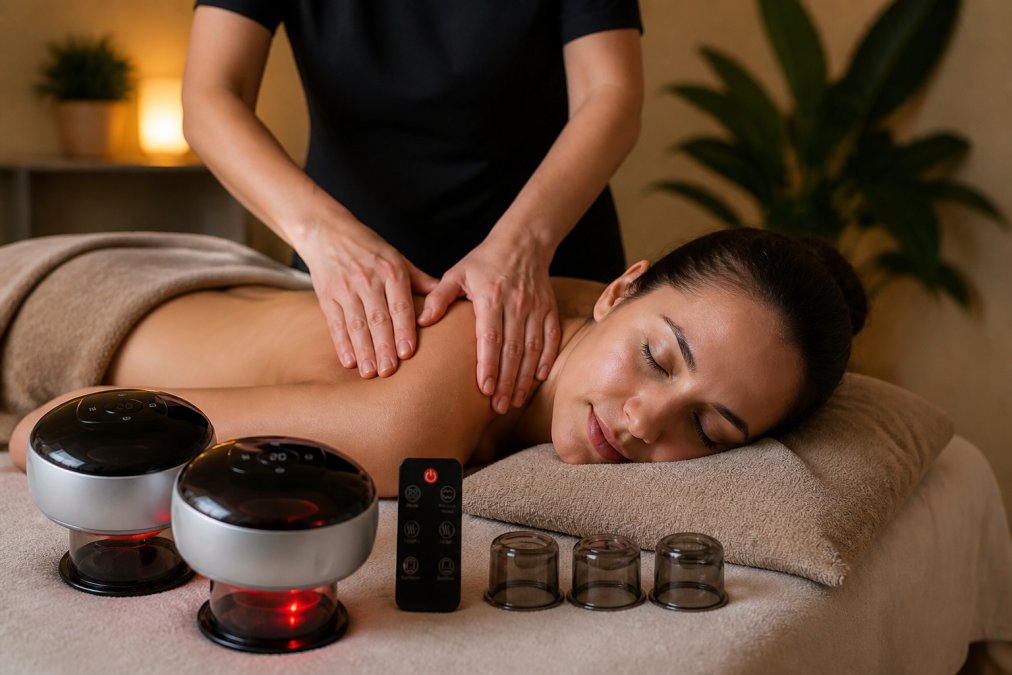
Muscle tension relief and soft tissue recovery
Muscle tension accumulates silently through desk work, repetitive movements, and postural strain, creating trigger points that limit range of motion and generate referred pain. Daily massage targets these areas through myofascial release, breaking the cycle of chronic tension before it becomes debilitating.
Sustained pressure on trigger points interrupts nerve signals maintaining muscle contraction, while soft tissue manipulation increases blood flow to deliver oxygen and nutrients for recovery. The key difference: occasional massage provides only 48-72 hours of relief, but daily practice rewires the muscle's default state, teaching it to remain relaxed rather than habitually contracted (peer-reviewed research). This shift from reactive treatment to preventative maintenance changes everything about pain management.
Improved circulation and blood flow
Massage increases circulatory activity through direct mechanical action. Pressure applied to muscle tissue compresses blood vessels, forcing blood forward through the vein network. When pressure releases, fresh blood rushes in. This pump-like effect is particularly valuable for areas that don't move much: the neck, shoulders, and lower back.
Better circulation means faster nutrient delivery and more efficient waste removal. Muscles receiving consistent blood flow recover faster from exertion and resist metabolic byproduct buildup that contributes to soreness. The relationship extends beyond muscle health: improved blood flow supports neurological function, aids immune system distribution, and helps regulate blood pressure.
Enhanced flexibility and range of motion
Tight muscles restrict movement. Daily massage gradually lengthens muscle fibers and reduces baseline tension that limits mobility. Better mobility reduces injury risk during exercise and daily activities while improving posture by removing muscular restrictions that force the spine into compromised positions.
Mental Health and Stress Reduction Through Massage
Gentle pressure activates the parasympathetic nervous system, the network responsible for rest, recovery, and stress reduction. This is measurable neurological change, not metaphorical wellness.
Cortisol reduction and anxiety management
Chronic stress elevates cortisol, a hormone that contributes to anxiety, sleep disruption, and immune suppression (the NIH). Massage interrupts this cycle by signaling safety to the nervous system. Physical touch triggers oxytocin release and reduces cortisol production. Regular massage creates a cumulative effect: the nervous system gradually recalibrates toward a lower baseline stress state.
Consistency matters more than duration. Five 20-minute sessions spread across the week produces better results than one 90-minute session.
The mind-body connection and endorphin release
Massage stimulates endorphin release, creating natural pain relief and mood elevation. Beyond endorphins, massage activates the mind-body connection through proprioceptive awareness. As you focus on physical sensation during massage, you naturally shift attention away from anxious thoughts. This meditative quality deepens with daily practice, and the ritual itself reinforces psychological commitment to self-care.
Pain Management and Chronic Condition Support
Chronic pain persists because underlying muscle dysfunction never resolves. Pain signals the nervous system to protect an area through tension and guarding. This protective response becomes self-perpetuating. Massage breaks this cycle by addressing the muscular root of the problem.
Myofascial release and trigger point therapy
Myofascial release targets fascia, connective tissue surrounding muscle fibers. When fascia becomes restricted, it limits muscle movement and generates pain signals. Sustained pressure on trigger points releases the restriction, allowing normal function to resume.
A single trigger point in the neck can generate headaches; trigger points in the lower back can cause referred pain down the leg. Daily massage systematically deactivates these points. Self-massage tools like handheld massage sticks or cupping devices allow consistent home application. The advantage of daily practice is cumulative deactivation, each session weakens the trigger point's hold until pain relief becomes permanent.
Joint inflammation and postoperative recovery
Improved circulation from massage reduces inflammatory markers in affected joints, particularly valuable for conditions like arthritis. Postoperative recovery benefits significantly from gentle massage. After surgery, scar tissue forms and muscles remain guarded. Gentle massage, once cleared by your healthcare provider, helps break down adhesions and restore normal tissue mobility. Starting massage early in recovery accelerates the return to full function.
Best Massage Device for Deep Tissue Relief at Home
Professional massage is valuable, but daily sessions are impractical for most people. Home massage devices make consistent practice feasible.
Cupping therapy with red light technology
Cupping creates negative pressure that lifts tissue, improving circulation and releasing trigger points. Modern electric cupping devices automate this process with adjustable suction levels. Red light wavelengths (around 660 nanometers) penetrate tissue and stimulate cellular energy production (peer-reviewed research). Combined with cupping, this dual approach addresses both mechanical tension and cellular recovery. The Cupping Kit for Massage Therapy with Red Light from TheCoolVibeShop offers 12 adjustable suction levels and combines cupping with scraping, heating, and red light therapy, designed specifically for muscle soreness and recovery.

Cupping is particularly effective for larger muscle groups: the back, shoulders, and thighs. The suction reaches deeper tissue layers than manual massage alone.
Neck and shoulder massagers with heat and TENS therapy
The neck and shoulders are chronic tension hotspots, especially for desk workers. TENS therapy (transcutaneous electrical nerve stimulation) uses gentle electrical pulses to interrupt pain signals and stimulate muscle recovery. Combined with heat therapy, which increases blood flow and tissue elasticity, TENS devices provide multi-modal relief. The Neck Massager with Heat and TENS Therapy from TheCoolVibeShop features 50 intensity levels and maintains constant therapeutic heat, making it adaptable to different pain levels.

These devices are portable enough for office use during breaks or travel. Fifteen minutes of targeted neck massage can reset tension accumulated throughout the workday.
How Often Should You Get a Massage for Optimal Results
Frequency determines whether massage provides temporary relief or lasting change. Daily massage is appropriate for people managing chronic pain, recovering from injury, or seeking performance enhancement. The nervous system adapts to consistent input; daily practice creates cumulative neurological shifts that occasional massage cannot achieve.
A practical approach: start with five to seven sessions per week and adjust based on results. A single massage session provides relief for 48-72 hours. Long-term wellness requires consistency. Three to four weeks of regular massage (at least three sessions per week) begins creating lasting changes in muscle tone and nervous system regulation. Eight to twelve weeks of consistent practice produces measurable improvements in pain levels, flexibility, and stress resilience.
How to Use Massage Tools Safely at Home
Massage tools are powerful. Used correctly, they accelerate recovery and pain relief. Used incorrectly, they can cause tissue damage.
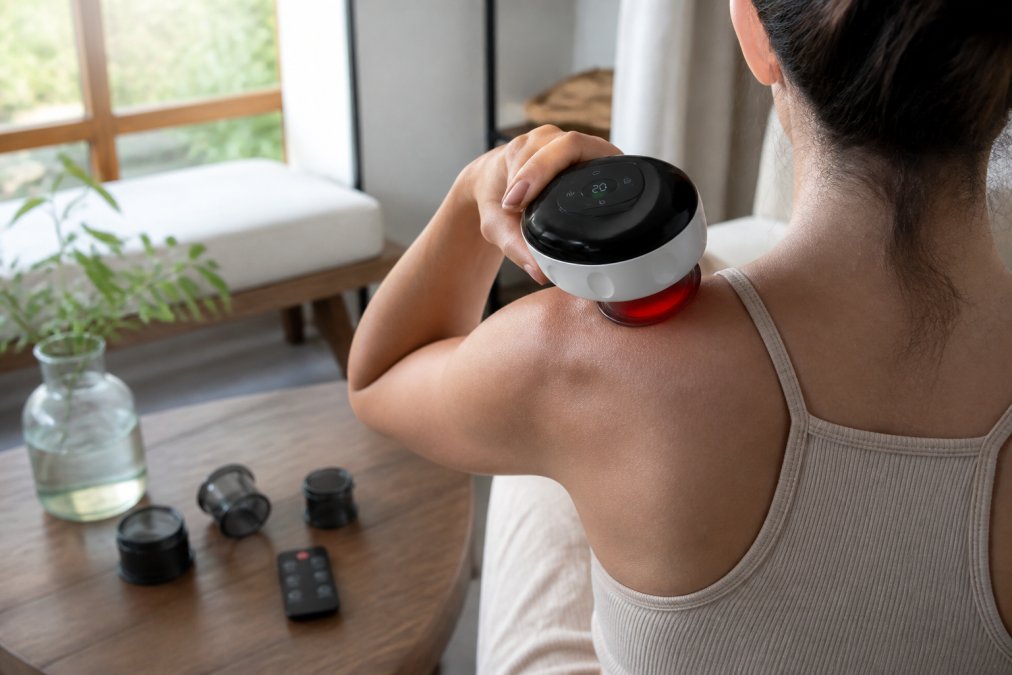
Contraindications and health considerations
Certain conditions require caution or prohibit massage entirely: active infections, acute inflammation, recent surgery, blood clots, severe osteoporosis, and certain skin conditions. Medications that thin blood or affect sensation require modified technique. Pregnancy requires modified massage, typically avoiding the lower abdomen. Cancer patients undergoing active treatment need clearance from their oncology team.
When in doubt, start conservatively. Use lower intensity settings and shorter durations. Observe how your body responds over 24-48 hours. Mild soreness is normal; sharp pain or increasing swelling indicates you've gone too far.
Proper technique and intensity guidelines
Pressure should be firm but not painful. Build tolerance gradually, starting at 30-40 percent intensity and increasing over several sessions. A 20-minute session at moderate intensity produces better results than five minutes at maximum intensity. Sustained pressure allows tissue to relax and adapt.
Target specific areas rather than random application. Apply sustained pressure to trigger points for 30-60 seconds, release, wait 10-15 seconds, then repeat three to five times. Avoid using massage tools directly over bone, joints, or the spine. Focus on muscle bellies, the thick central portion of muscle. The neck requires particular care due to proximity to vital structures.
Hydration matters. Massage mobilizes metabolic waste products. Drinking water afterward helps flush these through your system and reduces post-massage soreness.
Sleep Quality and Immune System Support
Massage influences sleep through multiple mechanisms. Reduced cortisol and increased parasympathetic activation create conditions favorable for sleep. Regular massage users often report falling asleep more easily and experiencing deeper sleep.
The immune system benefits from both improved sleep and direct effects of massage. Lymphatic drainage improves with massage, supporting immune function. Reduced stress hormones allow immune resources to focus on defense rather than stress response. Evening massage, particularly 30-60 minutes before bed, optimizes these benefits. The relationship between sleep and pain relief creates a positive feedback loop: better sleep reduces pain perception, and reduced pain improves sleep quality.
Daily massage therapy addresses pain, stress, and physical limitation through multiple mechanisms. Benefits accumulate over weeks and months, creating lasting improvements in how you feel and function.
TheCoolVibeShop understands that consistent practice requires accessible tools. Our massage devices, from the Neck Massager with Heat and TENS Therapy at $97.50 to the Cupping Kit for Massage Therapy with Red Light at $139.99, make daily practice sustainable. Each device combines modern technology with therapeutic effectiveness, designed for safe, consistent use. Our 60-day money-back guarantee removes the risk from trying daily massage therapy. Start your practice today and experience how regular massage transforms your physical health, mental resilience, and overall well-being.
Frequently Asked Questions
Q: What happens if you have a massage every day?
A: Daily massage therapy can provide cumulative benefits including reduced muscle tension, improved circulation, and lower stress hormones like cortisol. For most people, daily sessions support faster recovery from muscle soreness and may enhance sleep quality. However, intensity and duration matter, gentle daily massage is generally safe, but high-intensity sessions should be spaced out. Listen to your body and adjust frequency based on your comfort level and any underlying health conditions.
Q: How often should you get a massage to see real results?
A: Results depend on your goals. For acute muscle soreness, 3-5 sessions per week may show improvement within 1-2 weeks. For chronic pain or stress reduction, consistent 2-3 times weekly often yields noticeable benefits within 3-4 weeks. Daily self-massage with tools like our cupping kit or neck massager can maintain progress between professional sessions. The key is consistency, sporadic massage provides short-term relief, but regular use supports long-term wellness and preventative care.
Q: Is it safe to use a massage device daily?
A: Yes, most massage devices are safe for daily use when used correctly. Avoid areas with open wounds, varicose veins, or recent surgery without medical clearance. If you're on medications or have sensitive skin, start with lower intensity levels and shorter sessions. Our neck massager with heat and TENS therapy is designed for daily use at home. If you experience increased pain, swelling, or bruising, reduce frequency or intensity and consult a healthcare provider.
Q: Can daily massage help with chronic muscle soreness and fibromyalgia?
A: Daily massage can reduce muscle stiffness and provide short-term pain relief for chronic conditions like fibromyalgia. Gentle myofascial release and trigger point therapy address the underlying muscle tension that amplifies pain signals. Red light therapy combined with massage may enhance results by improving cellular function and reducing inflammation. However, intensity matters, light to moderate pressure works best for fibromyalgia sufferers. Pair daily massage with other holistic wellness practices for optimal long-term management.
This article was written using GrandRanker