At Home Massage Device for Plantar Fasciitis Relief

Table of Contents
- Why an At-Home Massage Device Helps Plantar Fasciitis
- How to Use a Massage Gun for Plantar Fasciitis
- How Long to Massage Plantar Fasciitis for Best Results
- Key Features to Look for in an At-Home Massage Device
- Contraindications and Safety Warnings
- Post-Massage Recovery and Device Maintenance
- When to See a Doctor for Foot Pain
- Frequently Asked Questions
Last Updated: September 20, 2026
Why an At-Home Massage Device Helps Plantar Fasciitis
An at-home massage device for plantar fasciitis relief targets the thick band of tissue running along the bottom of your foot. When that band tightens and develops small tears, every morning step can feel like walking on a bruise. Massage tools interrupt that cycle by loosening the plantar fascia, boosting circulation, and breaking down adhesions that build up around the arch and heel.
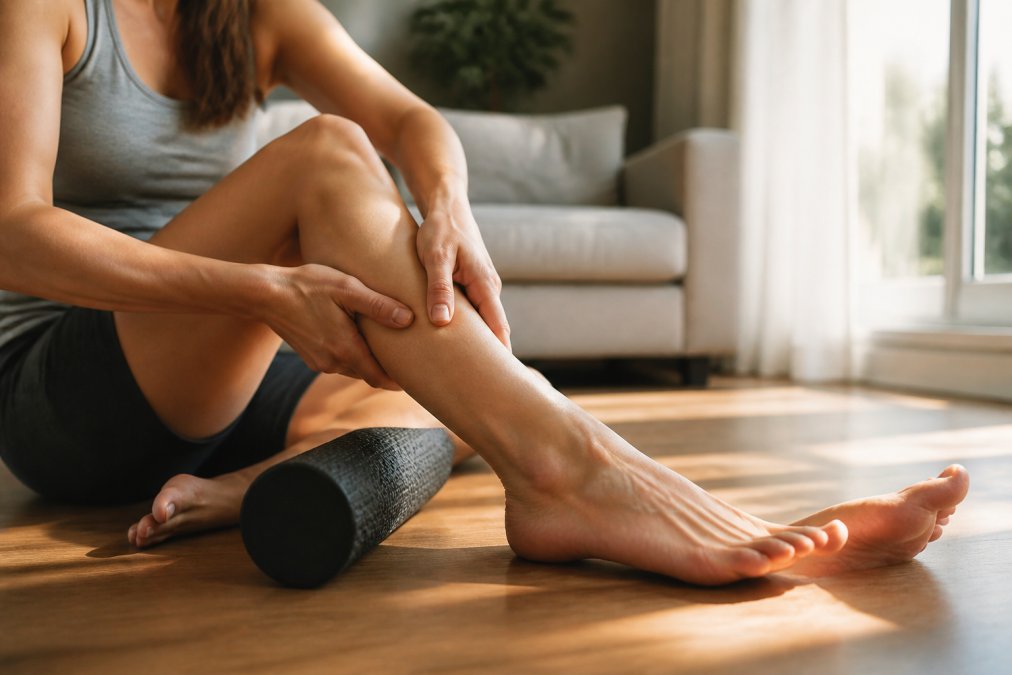
How Massage Guns Work for Plantar Fasciitis
A massage gun delivers rapid, percussive pulses into soft tissue, which stimulates blood flow and reduces the muscle guarding that protects an injured fascia. The vibration reaches deeper than static pressure alone, making it useful for the thick, fibrous tissue under the arch. For plantar fasciitis relief, the goal is not brute force. It is consistent, moderate stimulation that encourages the tissue to relax and lengthen.
Types of Foot Massagers: Rollers, Balls, and Electric
Manual rollers and massage balls rely on your own body weight and effort. They are inexpensive and effective for the arch, but they cannot reach the calf or provide percussive depth. Electric devices, including handheld massage guns and vibrating foot massagers, add motorized power, adjustable intensity settings, and consistent rhythm. For stubborn heel pain, most practitioners lean toward an electric option because it reaches both the plantar fascia and the calf muscles that pull on it.
How to Use a Massage Gun for Plantar Fasciitis
Learning how to use a massage gun for plantar fasciitis comes down to three rules: warm up first, work the calf before the arch, and keep the pressure moderate. Cold, tight tissue does not respond well to percussion, so a short walk or a warm shower beforehand makes the session far more productive.
Step-by-Step Technique for the Plantar Fascia
- Warm up with two minutes of walking or ankle circles.
- Start on the calf: glide the device slowly from below the knee to the ankle for 60 seconds.
- Move to the arch: run the head along the plantar fascia from heel to toes, pausing on tender spots.
- Hold each trigger point for 15 to 20 seconds at low to medium intensity.
- Finish with a gentle stretch, pulling your toes toward your shin for 30 seconds.
A common mistake is cranking the intensity to maximum on the heel. That irritates the tissue and sets recovery back. Start low, and increase only if the area feels comfortable.
How Long to Massage Plantar Fasciitis for Best Results
The short answer: two to five minutes per foot, once or twice daily. Knowing how long to massage plantar fasciitis matters more than how hard you press, because overworking inflamed tissue delays healing rather than speeding it up.
| Session Goal | Duration | Frequency |
|---|---|---|
| Morning stiffness relief | 2-3 minutes per foot | Once daily |
| Post-activity recovery | 3-5 minutes per foot | After workouts |
| Chronic heel pain management | 5 minutes per foot | Twice daily |
| Calf tension release | 2 minutes per leg | Daily |
Key Features to Look for in an At-Home Massage Device
The best at-home massage device for plantar fasciitis offers adjustable intensity settings, a rounded head for contouring the arch, and enough battery life for daily use. Portability matters too, since the most effective routine is one you will actually keep.
Look for these features:
- Multiple intensity levels so you can start gentle and progress
- Interchangeable heads for the arch, heel, and calf
- Ergonomic design that reaches your own foot without straining
- Quiet operation for use while watching TV or working
- Rechargeable battery for cord-free sessions
Contraindications and Safety Warnings
Skip massage if you have a suspected stress fracture, an open wound, a blood clot, or active infection in the foot or leg. People with neuropathy, poor circulation, or diabetes should check with a doctor first, because reduced sensation makes it easy to overdo pressure without realizing it.
Post-Massage Recovery and Device Maintenance
Most guides stop when the massage ends. What you do in the ten minutes after a session, and how you care for the tool itself, shapes whether the tissue actually recovers or just gets re-irritated. This is the part of the routine almost no competitor covers in detail.
The Post-Massage Recovery Window
The first ten to fifteen minutes after massage are when the tissue is warm, pliable, and most responsive. Use that window deliberately:
- Stretch immediately. With the tissue still warm, pull your toes toward your shin and hold for 30 seconds per foot, repeating two to three times. A calf stretch against a wall for 30 seconds per leg follows. Stretching cold tissue is far less effective.
- Ice only if it feels hot or swollen. If the arch is warm, tender to the touch, or visibly puffy after a session, apply an ice pack wrapped in a thin towel for 10 minutes. If the foot feels normal or simply relaxed, skip the ice, cold can stiffen tissue you just loosened.
- Elevate briefly. Five minutes with the foot above heart level helps if you notice throbbing or swelling after standing.
- Reassess in the morning. The next morning's first-step pain is your best feedback signal. If it is sharper than the day before, you worked the tissue too hard, drop to a shorter session or lower intensity for two to three days.
- Adjust footwear for the rest of the day. Avoid flat, unsupportive shoes and bare floors right after a session. A shoe with arch support or a supportive house slipper keeps the fascia from re-tightening under load.
Rest Days Are Part of the Protocol
Massage is a stress on the tissue, not just a comfort. A common pattern is three to four days of massage followed by one rest day with only stretching and light walking. If pain spikes two mornings in a row, take two full rest days before resuming. More massage is not better when the fascia is inflamed.
Cleaning and Maintaining Your Device
Massage tools contact bare skin, often on a foot that has been in shoes all day. Without cleaning, heads and rollers accumulate sweat, dead skin, and bacteria that can cause irritation or folliculitis on the next use.
- Percussion massagers: Wipe the head with a mild disinfectant wipe or a cloth dampened with rubbing alcohol after every session. Never submerge the unit or run it under water, moisture reaches the motor and voids most warranties. Charge the battery to roughly half before long-term storage; leaving it fully drained or fully charged for months shortens battery life.
- Wooden rollers: Wipe with a damp cloth and a drop of mild soap, then dry immediately. Do not soak wood, it cracks and warps. A light coat of food-safe mineral oil every few months keeps the surface smooth and splinter-free.
- Massage balls: Wash with warm soapy water and dry fully. Replace textured or spiked balls if the surface develops cracks, which harbor bacteria.
- Vibrating foot massagers: Unplug before cleaning, wipe the foot platform with a disinfectant wipe, and let it dry completely before the next use. Check the cord for fraying monthly.
When to Replace a Device
Replace percussion heads that have flattened or torn, rollers that have cracked or splintered, and any electric unit whose motor has become noticeably louder or whose battery no longer holds a full session. A worn head concentrates pressure unevenly and can bruise the arch instead of releasing it.
When to See a Doctor for Foot Pain
Book a visit if pain persists beyond six weeks of consistent self-care, if you cannot bear weight, or if you notice swelling, redness, or numbness. Sharp heel pain that worsens despite massage can signal a stress fracture or nerve entrapment that needs imaging.
Frequently Asked Questions
What is the best at home massage device for plantar fasciitis?
The best device depends on your needs. A massage gun with adjustable intensity settings works well for deep tissue mobilization of the plantar fascia and calf muscles. Electric foot massagers with heat therapy offer hands-free relief. The Topcupro 4-in-1 Red Light Therapy Wrap Device ($154.99) supports joint pain relief and recovery, making it a useful complement to manual massage tools for at-home plantar fasciitis relief.
How often should you use a massage device on your feet?
Most people benefit from using a massage device once or twice daily, especially in the morning before taking your first steps and after activity. Start with one session per day and adjust based on how your foot responds. If you experience increased pain or inflammation, reduce frequency and consult a podiatrist. Consistency matters more than intensity for chronic heel pain recovery.
Are electric foot massagers safe for chronic heel pain?
Electric foot massagers are generally safe for chronic heel pain when used as directed. Avoid using them over areas with open wounds, fractures, or acute inflammation. If you have neuropathy, circulation problems, or are pregnant, check with your doctor first. Devices with auto-shutoff and adjustable intensity settings, like the Cupping Kit for Massage Therapy with Red Light ($139.99), offer safer controlled sessions.
What is the worst thing you can do for plantar fasciitis?
The worst thing is ignoring it and pushing through pain. Continuing high-impact activity without rest, wearing unsupportive shoes, and skipping stretching can worsen the condition. Avoid aggressive deep tissue massage directly on an acutely inflamed fascia. Instead, use gentle tissue mobilization, ice, and arch support. If pain persists beyond a few weeks, see a podiatrist for evaluation.
Plantar fasciitis rarely resolves overnight, and the daily discipline of a recovery routine is where most people struggle. TheCoolVibeShop makes that routine easier with non-invasive, drug-free wellness devices designed for safe daily use, backed by a 60-day money-back guarantee and more than 1,500 satisfied customers. If you want a gentler path to plantar fasciitis relief, shop now with TheCoolVibeShop and give your feet the consistent care they need.