Best Non Invasive Muscle Recovery Tools for 2026

Table of Contents
- Quick Comparison: Best Non Invasive Muscle Recovery Tools
- How We Evaluated These Recovery Tools
- 1. TheCoolVibeShop Full Body Red Light Therapy Mat
- 2. Cordless Red Light Therapy for Neck and Shoulder Pain Relief
- 3. Topcupro 4-in-1 Red Light Therapy Wrap Device
- 4. Cupping Kit for Massage Therapy with Red Light
- 5. Neck Massager with Heat and TENS Therapy
- 6. Wood Therapy Handheld Massage Stick
- How Long to Use Recovery Tools
- Frequently Asked Questions
Last Updated: September 16, 2026
Quick Comparison: Best Non Invasive Muscle Recovery Tools
Non invasive muscle recovery eases soreness, stiffness, and tension without needles, surgery, or prescription drugs, using light, heat, suction, compression, or electrical stimulation. This category has shifted from clinic-only equipment to devices people use on the couch. The six tools below cover red light mats, wraps, cupping, TENS, and wood therapy.
| Tool | Price | Best For | Method |
|---|---|---|---|
| Full Body Red Light Therapy Mat | $399.99 | Whole-body recovery | Red light |
| Cordless Neck & Shoulder Device | $299.99 | Desk-bound tension | 660nm/850nm |
| Topcupro 4-in-1 Wrap | $154.99 | Joints | Infrared |
| Cupping Kit with Red Light | $139.99 | Knots, cellulite | Suction + light |
| Neck Massager with Heat & TENS | $97.50 | Neck pain | Electrical pulses |
| Wood Therapy Massage Stick | $98.99 | Lymphatic drainage | Manual pressure |
How We Evaluated These Recovery Tools
Every pick had to clear three tests: it works on a specific recovery problem, it's safe enough for daily home use, and it doesn't require a clinic appointment. Portability, session length, and whether the device targets one area or the whole body were weighted.
The four scoring dimensions
| Dimension | What we looked at | Why it matters |
|---|---|---|
| Mechanism clarity | Does the device state its wavelength, frequency, temperature, or suction range? | A tool that won't tell you its specs can't be matched to a goal |
| Safety profile | Auto shutoff, timer, adjustable intensity, clear contraindication list | Home-use devices need guardrails, not just power |
| Session fit | Runtime, cordless vs. corded, per-area vs. whole-body | The best tool is the one you'll use three times a week |
| Durability | Build materials, battery type, warranty length | Recovery gear lives in a gym bag or on a bathroom floor |
Safety and contraindications: the part most roundups skip
Non invasive does not mean risk-free. Light, heat, suction, and electrical stimulation all interact with the body in ways that matter if you have certain conditions. Run this checklist before buying.
Skip the tool entirely if you have:
- Broken, sunburned, infected, or numb skin in the treatment area
- An active blood clot or a history of deep vein thrombosis
- A pacemaker, implanted defibrillator, or neurostimulator (applies to TENS and EMS)
- A known photosensitivity disorder or you take photosensitizing medication (certain antibiotics, diuretics, and acne treatments)
Check with a clinician first if you are:
- Pregnant or breastfeeding
- Being treated for cancer, especially with active radiation or chemotherapy
- Diabetic with neuropathy or poor circulation in the treatment area
- Recovering from recent surgery or a fracture
- Taking blood thinners (relevant for cupping and aggressive manual work)
Tool-specific warnings:
- Red and near-infrared light: Don't stare into the LEDs. Cover the eyes if treating the face or neck. Avoid use over the thyroid without medical guidance.
- TENS and EMS: Never place electrodes across the chest, over the carotid arteries, or on the front of the neck. Never use while driving or operating machinery.
- Cupping: Marks are expected and fade in a few days. Don't cup over bony prominences, varicose veins, or the spine itself.
- Heat: Cap sessions at 20 minutes and check skin every few minutes. Heat plus reduced sensation is a burn risk.
- Wood therapy and manual tools: Avoid pressing directly on the spine, kidneys, or any area with acute swelling.
How we categorized the picks
Rather than ranking tools 1 through 6 as if they competed on the same job, we grouped them by purpose:
- Whole-body recovery: the full-body red light mat
- Targeted tension relief: the cordless neck and shoulder device and the TENS neck massager
- Joint-specific work: the 4-in-1 wrap
- Trigger points and lymphatic work: the cupping kit and the wood therapy stick
What we didn't include
We left out clinic-only modalities (cryotherapy chambers, team-priced pneumatic compression, in-office EMS), prescription-level devices, and any tool whose manufacturer wouldn't publish its core specs. We also excluded products with no auto shutoff or timer, home-use devices without a built-in stop are a safety problem waiting to happen.

1. TheCoolVibeShop Full Body Red Light Therapy Mat
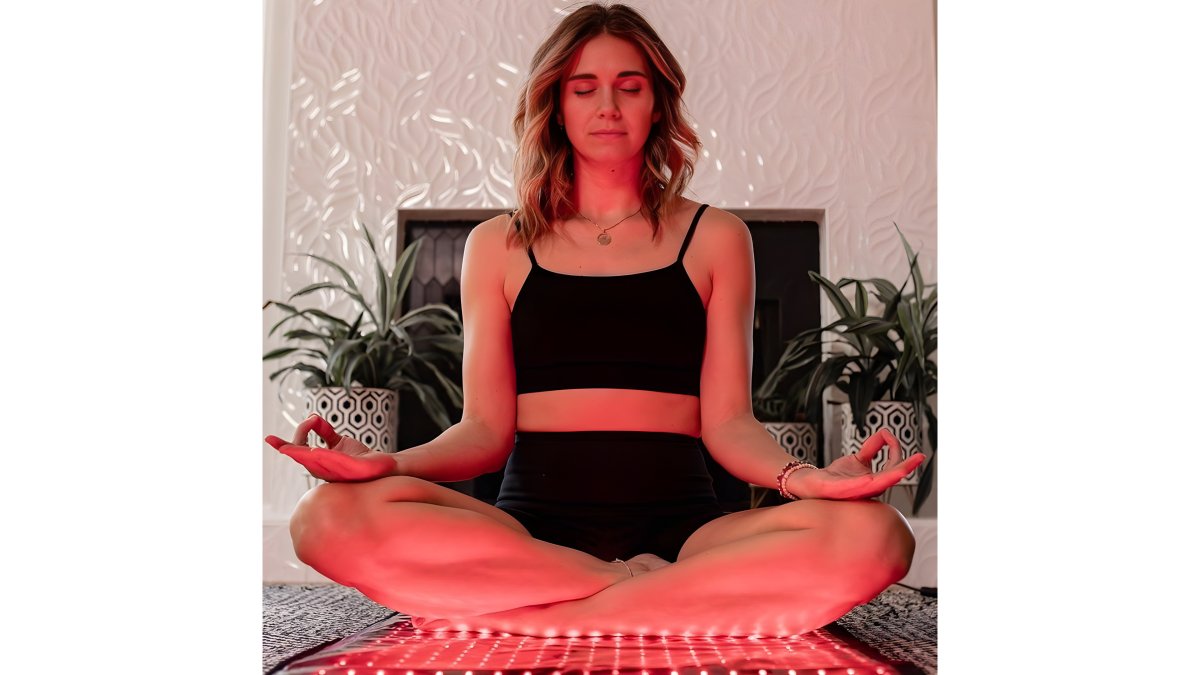
The full-body mat is the pick for anyone whose soreness isn't in one place. Soreness after a hard leg day, a long run, or a weekend of yard work rarely stays local, and a mat covers back, legs, and shoulders in one session.
2. Cordless Red Light Therapy for Neck and Shoulder Pain Relief
Desk workers, this is your device. The cordless neck and shoulder unit uses 660nm red light for surface tissue and 850nm near-infrared light to reach deeper muscle and joint tissue, the wavelength pairing most recovery research focuses on.
3. Topcupro 4-in-1 Red Light Therapy Wrap Device
Joint pain needs a different approach than muscle soreness, and this wrap is built for it. The elastic band wraps fully around a knee, elbow, shoulder, or ankle, with 96 two-in-one LED chips delivering light around the joint rather than from one angle.

4. Cupping Kit for Massage Therapy with Red Light
Cupping is the oldest tool on this list and still one of the most effective for trigger points. This kit combines suction, scraping, massage, heating, and red light, with 12 adjustable suction levels for beginners and experienced users alike.

5. Neck Massager with Heat and TENS Therapy
TENS uses low-frequency electrical pulses to interrupt pain signals and relax muscle tension, and this neck massager pairs that with constant heat between 100.4°F and 107.6°F. Nine modes and 50 intensity levels cover light kneading to deep acupressure-style pulses.
6. Wood Therapy Handheld Massage Stick
Wood therapy is manual lymphatic drainage and myofascial release using a shaped wooden tool instead of hands. The 21-inch stick reaches your back and shoulders without the awkward angles that make self-massage frustrating.
How Long to Use Recovery Tools
Session length is the most misunderstood variable in recovery. More time under a device is not more recovery, past a point, you're just adding heat, pressure, or light to tissue that already got the signal. The table below reflects manufacturer-programmed ranges and practitioner recommendations for home use.
| Tool type | Typical session | Frequency | Best window |
|---|---|---|---|
| Red light / near-infrared mat | 10-20 min per area | Once or twice daily | Within a few hours post-training |
| Targeted red light wrap (joint) | 15-20 min per joint | Once daily | Evening, after activity |
| Cupping (suction) | 5-15 min per spot | Every 2-3 days | Day after hard training |
| TENS / electrical stimulation | 15-30 min | Once or twice daily | Any time; avoid during acute injury |
| Wood therapy / manual tools | 10-20 min per region | Daily is fine | Post-workout or before bed |
| Heat (moist or infrared) | 15-20 min | As needed | Before activity or for stiffness |
| Cold (ice, cold pack) | 10-15 min | As needed | Immediately after acute strain |
Why timing matters more than duration
The body's inflammatory response after training peaks in the first 24 to 48 hours, then resolves as tissue remodels. Where you place a tool on that curve changes what it does.
- Cold therapy in the first hours after training blunts blood flow and can reduce the inflammatory signal that drives adaptation. That's useful for an acute sprain or swollen joint, but counterproductive if your goal is hypertrophy or strength gain. Most strength coaches now reserve cold exposure for competition recovery, not routine post-lift recovery.
- Heat, light, and gentle movement work better once acute inflammation settles, typically 12 to 24 hours post-training. Heat dilates blood vessels, red and near-infrared light support mitochondrial activity, and light movement drives lymphatic drainage. These fit a hypertrophy or general-fitness goal.
- Suction and deep pressure are best saved for the day after, when tissue is no longer acutely inflamed. Cupping or aggressive foam rolling on a muscle still in the acute repair phase can increase soreness rather than reduce it.
Matching the tool to the training goal
| Goal | Tool priority | Timing |
|---|---|---|
| Muscle growth / hypertrophy | Light therapy, heat, active recovery | 12-24 hrs post-training |
| Strength / power | Light therapy, compression, sleep | Evening after session |
| Endurance / high volume | Compression, cold (sparingly), light movement | Same day, then next morning |
| Injury rehab | TENS, heat, gentle range of motion | Per clinician guidance |
| Desk-bound tension | TENS, heat, targeted red light | Any time; daily |
The consistency rule
A 10-minute session five days a week beats a 40-minute session once a week, every time. Recovery tools work through cumulative signaling, circulation, lymphatic flow, and tissue repair are processes, not events. Pick a duration you'll repeat, set a timer, and stop when it goes off; every device on this list ships with auto-shutoff for that reason.
Frequently Asked Questions
What are the most effective non invasive tools for muscle recovery?
Red light therapy devices, cupping kits, and TENS massagers are among the most effective non invasive muscle recovery tools. Red light therapy uses 660nm and 850nm wavelengths to improve circulation and reduce inflammation. Cupping therapy uses adjustable suction to release muscle tension. TENS massagers use electrical pulses to relax tight muscles. Combining two or three of these tools addresses soreness from multiple angles and supports faster recovery between workouts.
Do red light therapy devices actually help with muscle soreness?
Yes. Red light therapy delivers specific wavelengths that penetrate skin and muscle tissue. The 660nm wavelength supports surface-level circulation and cellular repair, while 850nm near-infrared light reaches deeper into joints and muscles to reduce inflammation and relax tension. Devices like the Cordless Red Light Therapy for Neck and Shoulder target upper back tightness, while the Full Body Red Light Therapy Mat covers larger areas. Consistent use after workouts supports the benefits of red light therapy for muscles.
How often should you use muscle recovery tools?
Most recovery tools work best with daily or near-daily use. Red light therapy devices typically run in 10 to 20 minute sessions, and many include built-in timers to prevent overuse. TENS massagers can be used once or twice daily at comfortable intensity levels. Cupping kits should be used on alternating days to let skin recover between sessions. Knowing how long to use recovery tools matters as much as which tool you choose, so follow each device's instructions.
Are massage guns considered non-invasive recovery tools?
Massage guns are non-invasive because they use external vibration and percussion without breaking the skin or requiring needles. However, they are not the only option. Cupping kits, TENS massagers, red light therapy wraps, and wood therapy sticks all deliver non-invasive recovery without drugs or surgery. The best choice depends on your specific need: percussion for large muscle groups, cupping for trigger points, and red light therapy for deep tissue repair and inflammation reduction.
Do non-invasive recovery tools require a prescription?
No. Non-invasive muscle recovery tools sold for home use do not require a prescription. Devices like red light therapy mats, TENS neck massagers, and cupping kits are available for direct purchase. That said, check with your doctor before use if you have a pacemaker, are pregnant, have sensitive skin, or take medications that affect circulation. These tools are designed for safe, everyday use, but personal medical conditions always warrant a professional opinion first.
Chronic muscle tension doesn't resolve on its own, and it rarely resolves with a single tool. TheCoolVibeShop built its lineup around non-invasive, drug-free devices designed for safe daily use, from the full-body red light mat to the cordless neck and shoulder unit and the cupping kit with adjustable suction. Every purchase is backed by a 60-day money-back guarantee, so you can test what actually works for your body. Get started with TheCoolVibeShop and build a recovery routine you'll keep.