Red Light Therapy Before and After: Real Results Explained

Table of Contents
- How Red Light Therapy Works and Why Before-and-After Photos Matter
- Red Light Therapy Results Timeline: What Happens Week by Week
- Red Light Therapy for Wrinkles: Before and After Expectations
- How to Take Red Light Therapy Progress Photos That Actually Work
- Setting Realistic Expectations: What Red Light Therapy Can and Cannot Do
- Common Mistakes That Sabotage Your Red Light Therapy Results
- Long-Term Maintenance: Keeping Your Results Consistent
Last Updated: August 29, 2026
How Red Light Therapy Works and Why Before-and-After Photos Matter
Red light therapy before after photos have become the gold standard for tracking skin rejuvenation results. At TheCoolVibeShop, the science behind what makes these photos meaningful comes down to how light interacts with your skin at the cellular level.

Red light therapy operates through photobiomodulation, where specific wavelengths of near-infrared and red light penetrate the dermal layers and stimulate your mitochondria to produce more ATP (adenosine triphosphate). This cellular energy boost triggers collagen production, improves blood flow, and accelerates tissue repair. The wavelengths that matter most fall between 600-1000 nanometers, with therapeutic benefits peaking around 630-700nm for surface skin concerns and 800-1000nm for deeper tissue penetration (peer-reviewed research).
Red light therapy before after documentation is valuable because visual progress provides objective data. Fine lines appear shallower. Hyperpigmentation fades. Skin texture smooths. These changes accumulate gradually, which is why standardized photography becomes critical. Without consistent lighting, camera angle, distance, and timing, you're comparing apples to oranges and missing the actual results happening beneath the surface.
Most people expecting overnight transformation abandon treatment within 2-3 weeks. Those who document their journey with proper before-and-after protocols discover that consistency reveals what impatience obscures.
Red Light Therapy Results Timeline: What Happens Week by Week
Red light therapy results don't follow a linear progression. Most users see initial changes within 2-3 weeks, but the real transformation happens between weeks 4-12 when cumulative effects become visually obvious (peer-reviewed research).

Week 1-2: Skin hydration improves noticeably. Your complexion appears plumper and more radiant because increased cellular energy enhances moisture retention. Fine lines may appear slightly less pronounced due to improved dermal hydration.
Week 3-4: Skin texture begins changing. Pore appearance may diminish slightly as epidermal health improves. Redness from acne inflammation starts subsiding. Hyperpigmentation edges soften and begin fading.
Week 5-8: Collagen production accelerates noticeably. Fine lines become genuinely shallower from actual structural changes in the dermal layers. Skin elasticity improves. Acne breakouts typically decrease, and existing blemishes heal faster with less scarring.
Week 9-12: Long-term remodeling becomes visible. Deeper wrinkles show measurable improvement. Skin tone evens out as hyperpigmentation fades significantly. Users who maintain consistent sessions per week see dramatic before-and-after differences by week 12.
Beyond 12 weeks: Results plateau without maintenance. Your skin reaches an improved baseline, but further collagen remodeling requires continued treatment.
Red Light Therapy for Wrinkles: Before and After Expectations
Red light therapy for wrinkles before and after results depend heavily on wrinkle depth, age, and consistency.
Fine lines respond best to red light therapy, fading because they're primarily caused by dehydration and reduced collagen elasticity. The before-and-after comparison here is striking because the change is obvious and rapid.
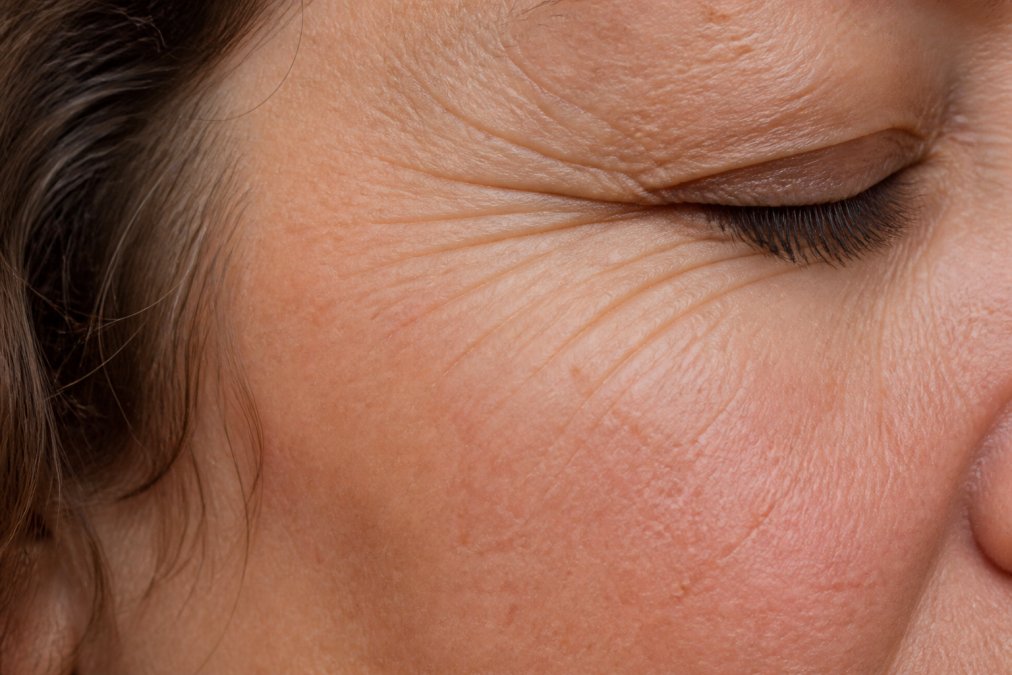
Moderate wrinkles, visible creases even when your face is relaxed, improve with consistent treatment. Your before-and-after photos will show softened edges and reduced depth, but the wrinkle won't disappear entirely.
Deep wrinkles and folds show minimal improvement from red light therapy alone. These require either combined treatments or professional procedures. Red light therapy maintains these results and prevents worsening.
Age matters significantly. People under 40 typically see faster, more dramatic wrinkle reduction. People over 50 see slower improvement because collagen synthesis naturally declines with age, though consistent red light therapy still delivers measurable results.
How to Take Red Light Therapy Progress Photos That Actually Work
The difference between useful progress tracking and useless selfies comes down to standardization. Professional before-and-after documentation requires consistent lighting, camera angle, distance, facial expression, and timing.
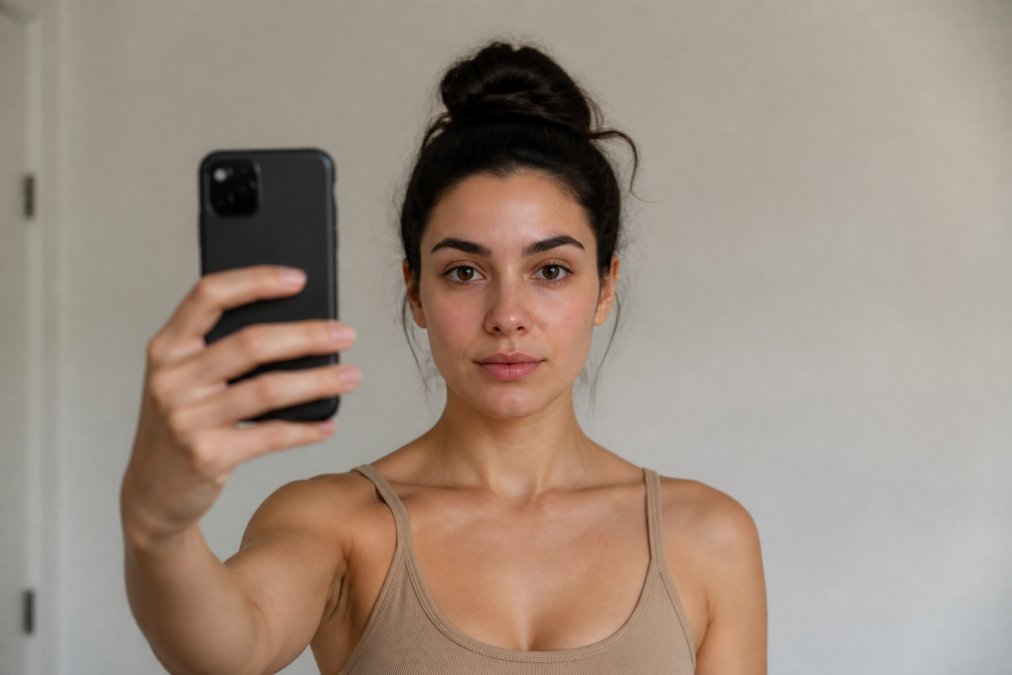
Lighting protocol: Natural indirect daylight is non-negotiable. Shoot near a north-facing window or outdoors in shade, never in direct sunlight or artificial lighting. Shoot at the same time of day for consistency.
Camera setup: Use your phone's front-facing camera at eye level, approximately 12-18 inches from your face. Mark your position with tape or use a phone stand to ensure identical distance every time.
Facial expression: Neutral expression, no tension, no smile. Relax your face completely to ensure you're comparing actual skin changes, not muscle contraction differences.
Baseline timing: Take your first photo before your first red light therapy session, makeup-free, skin clean. Subsequent photos should be taken at the same time of day, ideally before treatment rather than after.
Documentation frequency: Monthly photos are ideal for tracking progress. Weekly photos create noise from minor hydration fluctuations.
Multiple angles: Take straight-on photos, 45-degree angles, and profile shots. Wrinkles appear different from different angles.
Setting Realistic Expectations: What Red Light Therapy Can and Cannot Do
Before-and-after photos circulating online often represent best-case scenarios with ideal skin types, consistent treatment, and professional photography.
Red light therapy genuinely improves skin elasticity, reduces fine lines, fades hyperpigmentation, decreases acne inflammation, and accelerates wound healing. The science is sound.
Red light therapy cannot eliminate deep wrinkles, remove tattoos, shrink pores permanently, or reverse severe sun damage. It cannot replace sunscreen, professional procedures, or systemic health habits. It cannot work without consistency.
Your skin type determines your results. People with lighter skin tones typically see faster hyperpigmentation fading. Fine, thin skin shows wrinkle improvement faster than thick, textured skin. Younger skin sees significant improvement within 12 weeks. Middle-aged skin sees improvement. Mature skin sees improvement.
Common Mistakes That Sabotage Your Red Light Therapy Results
Inconsistent frequency: Red light therapy requires cumulative dose. Using your device 2-3 times per week produces slower results than 4-5 times per week. Consistency beats intensity.
Insufficient treatment duration: Stopping after 4-6 weeks because you haven't seen dramatic transformation is the most common dropout point. The breakthrough typically arrives between weeks 8-12.
Wrong wavelengths for your goal: Red light (630-700nm) targets surface skin concerns. Near-infrared (800-1000nm) penetrates deeper. TheCoolVibeShop's LED Face Mask delivers optimal wavelengths specifically for facial rejuvenation.

Inadequate device intensity: Low-powered consumer devices produce results, but slower results. Professional-grade devices with higher irradiance accelerate collagen production.
Poor baseline documentation: Taking your first photo after 2-3 weeks of treatment means you miss early improvements and have a weaker reference point.
Unrealistic expectations about depth: Expecting deep wrinkles to vanish is the fastest path to disappointment. Red light therapy excels at fine lines and moderate wrinkles.
Long-Term Maintenance: Keeping Your Results Consistent
Red light therapy results aren't permanent without maintenance. Your skin reverts to its pre-treatment baseline within 4-8 weeks of stopping (peer-reviewed research).
Most users maintain results with 2-3 sessions per week indefinitely. The maintenance cycle typically looks like this: intensive phase (weeks 1-12, 4-5 sessions weekly), consolidation phase (weeks 13-24, 3-4 sessions weekly), and maintenance phase (ongoing, 2-3 sessions weekly).
Seasonal adjustments matter. Winter months typically require more frequent red light therapy. Summer months allow slightly reduced frequency without regression.
Combining red light therapy with other practices amplifies maintenance. Consistent sunscreen use prevents new sun damage. Adequate sleep and hydration support collagen synthesis. Stress management reduces cortisol, which accelerates collagen breakdown.
Professional-grade devices like TheCoolVibeShop's Full Body Red Light Therapy Mat deliver sufficient irradiance to maintain results efficiently, requiring fewer sessions than underpowered devices.
Red light therapy before after photos reveal what consistency and patience can accomplish when you understand the science and avoid common pitfalls. Your results depend on treatment frequency, duration, device quality, baseline expectations, and honest documentation.
TheCoolVibeShop's LED Face Mask and Under-Eye Red Light Therapy Skin Rejuvenation and Relaxation Massager deliver the wavelengths and intensity needed for measurable collagen production and skin rejuvenation. Combined with our Full Body Red Light Therapy Mat for comprehensive treatment, you have professional-grade tools designed for consistent, evidence-based results. Start tracking your progress today with proper baseline documentation, maintain treatment consistency, and experience the transformation that honest before-and-after photos reveal. Our 60-day money-back guarantee ensures you can verify results risk-free before committing to long-term maintenance.
Frequently Asked Questions
How long does it take to see results from red light therapy on the face?
Most people notice initial changes in skin texture and tone within 2 to 4 weeks of consistent use. Collagen production and deeper cellular changes develop more slowly, typically requiring 8 to 12 weeks of regular treatment before significant improvements in fine lines and skin elasticity become visible. Results depend on treatment frequency, wavelength intensity, and individual skin response.
What should I look for in authentic red light therapy progress photos?
Authentic progress photos use consistent lighting (ideally natural daylight or standardized LED lighting), identical camera angles, the same distance from the lens, and neutral facial expressions. The background should remain unchanged between shots. Avoid heavily filtered images or photos taken under different lighting conditions, as these can mask or exaggerate results. Compare photos taken weeks apart rather than days apart, and watch for gradual improvements in skin texture, pore size, and fine line definition rather than dramatic overnight changes.
Will red light therapy tighten saggy skin?
Red light therapy stimulates collagen production and improves skin elasticity, which can help reduce the appearance of mild sagging and improve skin firmness over time. However, it works best on fine lines, wrinkles, and skin texture rather than significant sagging. Results are more noticeable in the face and neck than in areas with severe loose skin. For dramatic sagging, red light therapy works best as a complementary treatment alongside other skin-tightening methods. Consistency over 12+ weeks is necessary to see meaningful improvements in skin elasticity.
Are red light therapy before and after photos usually edited?
Many commercial before-and-after photos you see online are edited, filtered, or taken under different lighting to exaggerate results. To verify authenticity, look for subtle, gradual improvements rather than dramatic transformations. Check whether the lighting, camera angle, and background are consistent across images. Legitimate before-and-after photos often include multiple angles and close-ups showing skin texture details. Be skeptical of images with heavy filters, extreme lighting changes, or unrealistic improvements in just a few weeks.
This article was written using GrandRanker