Drug-Free Pain Management Solutions for 2026

Table of Contents
- Understanding Drug-Free Pain Management
- How to Fix Muscle Knots Fast with Targeted Techniques
- Benefits of Red Light Therapy for Pain Relief
- Non-Invasive Pain Relief Devices That Work
- Mind-Body Techniques and Stress Reduction
- Acupuncture and Traditional Chinese Medicine
- Building Your Personalized Pain Management Plan
- Frequently Asked Questions
Last Updated: September 3, 2026
Understanding Drug-Free Pain Management
Drug-free pain management refers to non-pharmaceutical approaches designed to reduce pain and improve quality of life without medications. This includes physical therapies, mind-body techniques, devices, and complementary practices that address pain at its source or change how your body perceives it.
The shift toward drug-free solutions has accelerated as more people seek alternatives to pharmaceutical interventions. At TheCoolVibeShop, we've observed growing demand from office workers, athletes, and individuals managing chronic conditions who want recovery without medication side effects. Understanding your options is the first step toward sustainable relief.
Most people think pain management means choosing between medication and suffering. That's false. The strategies covered below have helped thousands reduce pain intensity, improve mobility, and reclaim their daily routines.
How to Fix Muscle Knots Fast with Targeted Techniques
Muscle knots respond best to a combination of targeted pressure, movement, and improved circulation, all achievable without pharmaceuticals.
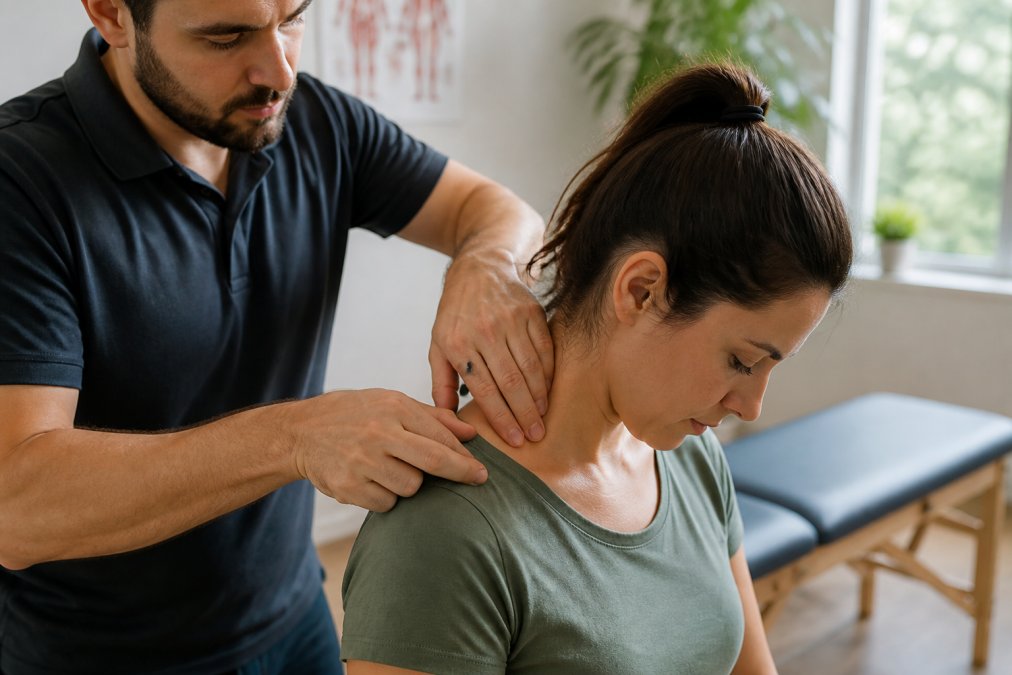
Physical Therapy and Therapeutic Exercise
Physical therapy remains one of the most effective drug-free approaches for muscle knots and chronic pain. A skilled physical therapist assesses your movement patterns, identifies the root cause of tension, and prescribes exercises that address underlying dysfunction rather than just treating symptoms.
Therapeutic exercise restores normal movement patterns, strengthens stabilizing muscles, and improves flexibility through targeted stretching, strengthening exercises for weak muscle groups, myofascial release techniques, and movement retraining. Most people see meaningful improvement within 3-4 weeks of consistent effort (peer-reviewed research). The real value comes from understanding what caused the knot, usually poor posture, repetitive movement, or muscle imbalance, and fixing that pattern.
Massage Therapy and Manual Manipulation
Massage therapy provides immediate relief by breaking up adhesions in muscle tissue and improving blood flow. Unlike medication that masks pain, massage directly addresses tissue quality.
Different techniques serve different purposes: deep tissue massage targets muscle knots through sustained pressure, Swedish massage improves circulation and promotes relaxation, and myofascial release addresses fascial restrictions. A single session provides temporary relief; weekly or bi-weekly sessions combined with self-care tools produce lasting results. Massage works best when paired with exercises that prevent knots from reforming.
Manual manipulation by chiropractors or osteopaths addresses joint restrictions that contribute to muscle tension. When vertebrae lose proper mobility, surrounding muscles tighten to stabilize the area. Restoring joint mobility can dramatically reduce muscle knot formation.
Benefits of Red Light Therapy for Pain Relief
Red light therapy has emerged as one of the most researched non-invasive approaches for managing pain and accelerating recovery. Specific wavelengths of light penetrate tissue and stimulate cellular energy production, reducing inflammation and promoting healing.
How Red Light Penetrates Tissue
Red light therapy uses wavelengths between 600-1000 nanometers (peer-reviewed research). Light at 660nm (red) penetrates skin and shallow tissue effectively, while 850nm (near-infrared) penetrates deeper to reach muscle, bone, and joint structures.
When light reaches your cells, it stimulates mitochondria to produce more ATP (adenosine triphosphate), the energy currency your cells use for repair and recovery. This increased cellular energy accelerates healing, reduces inflammation markers, and decreases pain signaling. The effect is cumulative; consistent use produces better results than occasional sessions.
Red light therapy is non-invasive, drug-free, and has minimal side effects. Unlike medication that works systemically, it targets specific areas where you apply the device, making it precise and controllable.
Real-World Applications for Joint and Muscle Pain
Red light therapy works particularly well for joint pain, muscle soreness, and inflammation-related conditions. Office workers with neck and shoulder tension often see improvement within 1-2 weeks of consistent use. Athletes use it post-workout to accelerate recovery and reduce delayed-onset muscle soreness.
The Cordless Red Light Therapy for Neck Shoulder Pain Relief from TheCoolVibeShop combines 660nm red light and 850nm infrared wavelengths, targeting both superficial and deep tissue. The cordless design allows use while working, reading, or relaxing, making consistency easier to maintain.

For broader coverage, the TheCoolVibeShop Full Body Red Light Therapy Mat provides whole-body treatment in 20-30 minutes. The Topcupro 4-in-1 Red Light Therapy Wrap Device offers targeted relief for specific joints with a wrap design that keeps the device in place during movement.
Non-Invasive Pain Relief Devices That Work
Beyond red light therapy, several device-based approaches provide drug-free pain relief through different mechanisms.

TENS and EMS Technology
TENS (Transcutaneous Electrical Nerve Stimulation) sends electrical pulses through electrodes on your skin to interrupt pain signals traveling to your brain. EMS (Electrical Muscle Stimulation) actually contracts your muscles, improving circulation and reducing tension.
TENS devices are particularly effective for acute pain and localized discomfort. You control intensity and frequency, making it easy to find your optimal setting. Most people use TENS for 15-30 minutes at a time, several times daily.
The Neck Massager with Heat from TheCoolVibeShop combines TENS technology with 9 massage modes, 50 intensity levels, and built-in heat therapy. Heat increases blood flow while electrical stimulation provides pain relief, addressing pain from multiple angles simultaneously. TENS units are affordable and portable but provide temporary relief rather than addressing underlying causes. They work best combined with exercise or physical therapy.
Cupping and Percussion Massage
Cupping therapy uses suction to lift tissue away from deeper structures, improving circulation and breaking up adhesions. Percussion massage delivers rapid, repetitive strikes to muscle tissue, stimulating blood flow and reducing tension.
The Cupping Kit for Massage Therapy with Red Light from TheCoolVibeShop combines cupping, scraping, massage, heating, and red light therapy in one device with 12 adjustable suction levels. The addition of red light therapy amplifies the healing response by addressing inflammation at the cellular level. Most people find that 10-15 minutes of cupping on problem areas produces noticeable improvement.
Mind-Body Techniques and Stress Reduction
Pain perception is heavily influenced by your nervous system state. When stressed or anxious, your body amplifies pain signals. When calm and relaxed, pain perception decreases. This is why mind-body techniques are so effective.
Mindfulness-based stress reduction involves focusing on the present moment without judgment. Studies show this approach reduces chronic pain intensity by changing how your brain processes pain signals (peer-reviewed research). Typically, 10-20 minutes daily produces measurable results within 4-8 weeks.
Meditation, particularly body scan meditation, develops awareness of tension patterns and consciously releases them. Many people discover they unconsciously tense muscles in response to stress or pain, creating a vicious cycle. Meditation breaks this pattern.
Yoga combines movement, breathing, and mindfulness. Specific poses improve flexibility, strengthen stabilizing muscles, and promote relaxation. Gentle yoga is particularly effective for chronic pain, addressing both physical limitations and the stress component of pain.
Breathing techniques activate your parasympathetic nervous system, your body's natural relaxation response. Deep, slow breathing, particularly extending your exhale longer than your inhale, signals safety to your nervous system and reduces pain perception.
Acupuncture and Traditional Chinese Medicine
Acupuncture has been used for thousands of years and is increasingly supported by modern research. The practice involves inserting thin needles at specific points to restore balance and reduce pain.
From a Western perspective, acupuncture stimulates nerves and increases endorphin production, your body's natural pain-relieving chemicals. It also triggers adenosine release, which has anti-inflammatory effects. Most people require 4-8 sessions to notice significant improvement, with maintenance sessions every 2-4 weeks sustaining results.
Finding a qualified practitioner is essential. Licensed acupuncturists have completed extensive training in needle placement, sterile technique, and assessment. Cost typically ranges from $60-150 per session depending on location and experience.
Building Your Personalized Pain Management Plan
The most effective approach combines multiple strategies tailored to your specific situation. A one-size-fits-all approach rarely works because pain has multiple causes, physical, emotional, and lifestyle factors all play a role.
Start by identifying your pain triggers. Is it specific movements, prolonged positions, stress, or a combination? Understanding what aggravates your pain helps you choose the most relevant interventions.
Next, assess your lifestyle factors. Sleep quality, stress levels, movement patterns, and nutrition all influence pain perception and healing capacity. Addressing these foundational factors amplifies the effectiveness of specific pain management techniques.
Combining Therapies for Better Results
The most powerful approach combines physical intervention (therapy, exercise, devices), pain perception management (mind-body techniques), and healing support (red light therapy, massage).

A practical example: someone with chronic neck pain might combine physical therapy exercises (addressing root cause), daily red light therapy (promoting healing), TENS therapy for acute flare-ups (providing relief), and meditation (reducing stress-related tension). This multi-angle approach addresses pain from different mechanisms simultaneously.
The Cordless Red Light Therapy for Neck Shoulder Pain Relief works particularly well in a comprehensive plan because it's easy to use consistently while doing other activities.
Tracking Progress and Adjusting Your Approach
Effective pain management requires monitoring what works and adjusting accordingly. Keep a simple log noting your pain level, what you did, and how you felt. After 2-4 weeks, patterns emerge showing which interventions provide the most benefit.
Pain often fluctuates based on activity, stress, and sleep. Look for the overall trend rather than expecting perfect consistency. If your average pain level is decreasing, your approach is working. If it's plateauing, adjust by increasing exercise intensity, adding a new modality, or increasing meditation frequency.
Many people find that as pain decreases and function improves, they can reduce intervention frequency. This sustainable approach prevents recovery from becoming a burden.
| Strategy | Timeline | Consistency | Best For |
|---|---|---|---|
| Physical Therapy | 3-6 weeks to notice improvement | 3-5x weekly | Root cause correction |
| Red Light Therapy | 1-2 weeks | Daily or 4-5x weekly | Joint and muscle pain |
| TENS/EMS Devices | Immediate relief | As needed or daily | Acute pain management |
| Massage Therapy | Immediate relief, cumulative benefit | Weekly or bi-weekly | Muscle knots and tension |
| Mind-Body Techniques | 4-8 weeks | Daily practice | Chronic pain and stress |
| Acupuncture | 4-8 sessions | Weekly initially | Chronic pain conditions |
Drug-free pain management solutions work best when you commit to a comprehensive approach rather than seeking a single magic solution. The strategies covered here address pain from multiple angles simultaneously.
TheCoolVibeShop's red light therapy devices and massage tools are designed to integrate seamlessly into your daily routine, making consistency achievable. The Cordless Red Light Therapy for Neck Shoulder Pain Relief and the Cupping Kit for Massage Therapy with Red Light combine proven technologies in portable, user-friendly designs backed by our 60-day money-back guarantee. Start with one or two interventions, track your progress, and build from there. Most people see meaningful improvement within 4-6 weeks of consistent effort. Shop Now and take control of your pain management.
Frequently Asked Questions
What are the most effective non-narcotic pain relief options?
The most effective non-drug pain management combines multiple approaches: physical therapy with therapeutic exercise, red light therapy devices that stimulate cellular repair, TENS units that block pain signals, and massage techniques targeting muscle knots. Evidence shows that multidisciplinary approaches work better than single therapies. Many people find success with devices like red light therapy wraps ($154.99-$299.99) paired with regular stretching and stress-reduction practices. Results vary, but consistent use over 2-4 weeks typically shows measurable improvements in pain intensity and joint mobility.
How does red light therapy assist in muscle recovery and pain management?
Red light therapy uses wavelengths (660nm and 850nm) that penetrate skin and tissue, stimulating mitochondrial function and increasing cellular energy production. This process reduces inflammation, improves blood circulation, and accelerates tissue repair. For muscle soreness and joint pain, red light therapy devices deliver therapeutic light directly to affected areas, promoting functional restoration without drugs. Studies show benefits for acute and chronic pain, with many users reporting reduced stiffness and improved range of motion within 2-3 weeks of regular use.
Are there FDA-cleared devices for drug-free pain relief I can use at home?
Yes. TENS (Transcutaneous Electrical Nerve Stimulation) units are FDA-cleared for pain management and work by transmitting gentle electrical pulses that interrupt pain signals. Red light therapy devices are also cleared for wellness use. The Neck Massager with Heat and TENS Therapy ($97.50) combines multiple modalities and features 50 intensity levels for personalized relief. The Cordless Red Light Therapy for Neck and Shoulder ($299.99) offers dual-wavelength technology. These devices are safe for daily home use when used as directed, though you should consult your healthcare provider if you have specific medical conditions.
What lifestyle changes support long-term drug-free pain management?
Sustainable pain management requires addressing multiple factors: ergonomics (proper desk setup for office workers), regular therapeutic exercise to build strength and flexibility, consistent stress management through mindfulness or meditation, adequate sleep, and anti-inflammatory nutrition. Combine these with non-invasive tools like massage devices or red light therapy for compounding benefits. Tracking your pain intensity over weeks helps identify which strategies work best for your body. Most people see lasting improvement when they commit to 4-8 weeks of consistent practice with multiple modalities rather than relying on any single solution.
This article was written using GrandRanker