


Deep Tissue Massage Intensity Levels: A Complete Guide
Table of Contents
- Understanding Deep Tissue Massage Intensity Levels
- The 1-to-10 Intensity Scale for Massage Pressure
- How to Communicate Massage Pressure With Your Therapist
- Best Massage Device for Deep Tissue Relief at Home
- Post-Massage Recovery and Safety Considerations
- Is Deep Tissue Massage Right for You?
- Conclusion
Last Updated: August 22, 2026
Understanding Deep Tissue Massage Intensity Levels
Deep tissue massage intensity levels determine how much pressure a therapist applies during a session, ranging from gentle to vigorous. Understanding these levels helps you communicate effectively with your therapist and ensures you receive therapeutic benefit matching your specific needs and pain tolerance.
The intensity directly affects how massage impacts your muscle fibers, fascia, and connective tissue. Light pressure feels relaxing but won't reach deeper muscle layers where chronic tension accumulates. Medium pressure addresses muscle tension without excessive soreness. Deep pressure targets underlying soft tissue and trigger points that contribute to chronic pain and restricted range of motion.
At TheCoolVibeShop, we understand that one-size-fits-all approaches don't work for wellness. Whether you're seeking relief from desk-related neck tension or post-workout muscle soreness, knowing how to calibrate intensity is essential.
Light Pressure (1-3 on the Intensity Scale)
Light pressure ranges from 1-3 on a standard 10-point intensity scale and focuses on superficial muscle and skin layers. This level uses gentle gliding strokes and light kneading that improve circulation without penetrating deep muscle tissue. Light pressure feels soothing and relaxing, making it ideal for people new to massage therapy, those with sensitive skin, or individuals recovering from injury.
Light pressure works well for general tension rather than chronic pain. The gentle approach stimulates blood flow to surface tissues, helping with minor muscle soreness and general wellness. However, if your goal is addressing deep muscle tension or trigger points, light pressure alone won't be sufficient. Light pressure is also the safest starting point if you're uncertain about your pain tolerance or how your body will respond to massage therapy.
Medium Pressure (4-6 on the Intensity Scale)
Medium pressure, ranging from 4-6 on the intensity scale, penetrates deeper into muscle tissue while remaining comfortable for most people. This level combines firm pressure with controlled kneading and gliding strokes that target muscle tension without excessive discomfort. Medium pressure is the sweet spot for many clients seeking therapeutic benefit without the soreness accompanying deeper work.
At this intensity level, your therapist works through superficial muscle layers to address mid-range soft tissue tension. Many office workers experiencing neck and shoulder tension from sedentary desk work find medium pressure delivers noticeable relief. The pressure is firm enough to stimulate circulation, reduce inflammation in muscle fibers, and begin breaking up adhesions in connective tissue. This level typically produces mild therapeutic soreness resolving within 24-48 hours, signaling that your body is responding to treatment (peer-reviewed research).
Medium pressure requires good communication between you and your therapist. Many therapists recommend starting here if you're new to deep tissue work, then adjusting based on your feedback.
Deep Pressure (7-10 on the Intensity Scale)
Deep pressure, rated 7-10 on the intensity scale, targets the deepest muscle layers and fascia where chronic tension and trigger points reside. This vigorous intensity uses sustained pressure, deep kneading, and focused strokes reaching structures beneath surface muscle. Deep pressure is designed for clients with significant muscle tension, chronic pain, or those who have built tolerance through regular massage sessions.
Deep pressure work addresses root causes of muscle dysfunction by targeting trigger points and releasing tension in fascia, the connective tissue surrounding muscles. Athletes and fitness enthusiasts often prefer this intensity for post-workout recovery because it effectively reduces muscle soreness and accelerates tissue repair.
However, deep pressure comes with important considerations. Excessive soreness can occur for 24-72 hours after a deep tissue session, particularly if you're new to this intensity (peer-reviewed research). Deep pressure should never feel unbearable; it should feel intense but manageable, with a sensation of "good pain" rather than injury pain. Communication with your therapist during the session is critical.
The 1-to-10 Intensity Scale for Massage Pressure
The 1-to-10 intensity scale provides a standardized way to communicate massage pressure preferences. This scale helps therapists understand exactly what you're experiencing and adjust their technique accordingly. The scale works as follows: 1 represents barely perceptible touch, 5 represents moderate therapeutic pressure, and 10 represents maximum sustainable pressure without causing injury.
Most therapeutic deep tissue massage work occurs between 5-8 on this scale. Pressure below 5 tends to be relaxing rather than therapeutic, while pressure above 8 risks causing tissue damage and excessive soreness. Your ideal intensity depends on several factors: your current pain level, muscle tension severity, pain tolerance, and your body's recovery capacity.
Learning to use this scale effectively transforms your massage experience. Rather than hoping your therapist intuits the right pressure, you can provide specific feedback: "That's about a 6, but I need you to go to a 7 in my upper trapezius." Many people discover that their ideal intensity varies by location, shoulders might tolerate 8, while the neck prefers 6.
The scale also helps you track progress over time. If you consistently request 7-8 pressure and experience good results with minimal soreness, that's your therapeutic sweet spot. If you're experiencing excessive post-massage soreness, your intensity may have been too high. Conversely, if you're not seeing improvement, you may need slightly deeper pressure.
How to Communicate Massage Pressure With Your Therapist
Effective communication about pressure is the foundation of a successful massage experience. Before your session begins, tell your therapist about your goals, current pain levels, and any areas of particular tension.
During the massage, speak up immediately if pressure feels wrong. A skilled therapist welcomes real-time feedback because it allows them to adjust and deliver better results. Use specific language: "That's perfect" or "I need you to ease up slightly" or "Go a bit deeper in that spot."
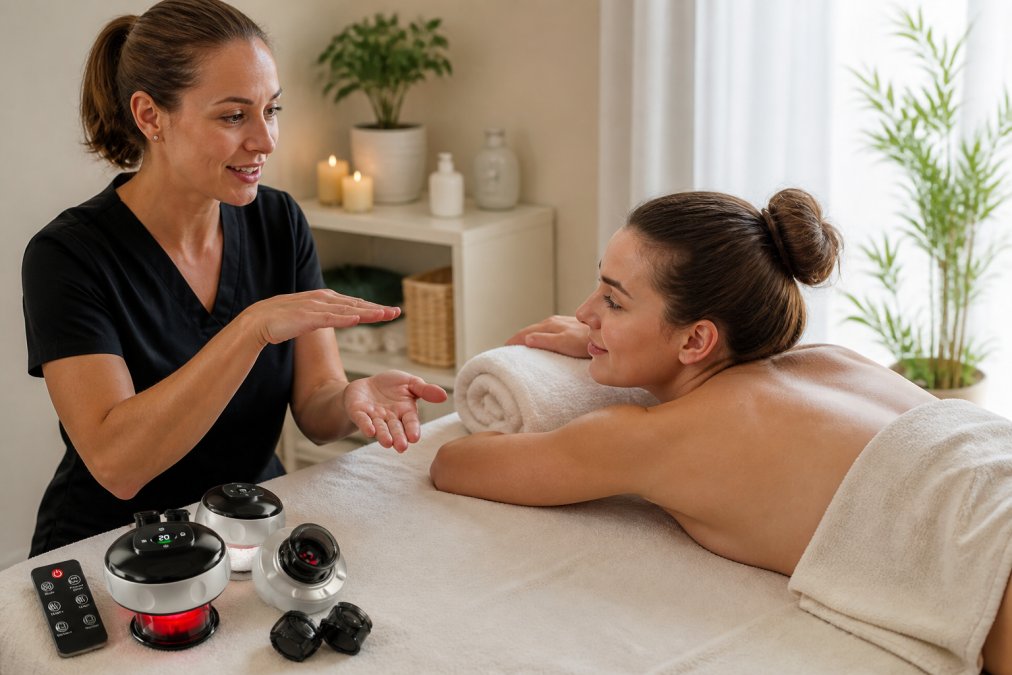
Pay attention to your body's signals during the massage. Mild discomfort and a sensation of pressure releasing tension is normal and therapeutic. Sharp pain, numbness, tingling, or a feeling of being pinched signals that pressure is too intense or technique is off. Your therapist should never press so hard that you're holding your breath or tensing muscles to brace against the pressure.
After your session, communicate about results. Did you experience the relief you were seeking? Did soreness levels match your expectations? This feedback helps your therapist refine their approach for your next visit. Over time, you'll develop a shorthand with your regular therapist. However, never assume a new therapist knows your preferences, always communicate clearly at the start of each session.
Best Massage Device for Deep Tissue Relief at Home
Home massage devices offer convenience and control over intensity, allowing you to address muscle tension on your schedule. The best devices for deep tissue relief combine adjustable intensity settings, ergonomic design, and sustained pressure capability.
TheCoolVibeShop offers several options designed for at-home deep tissue relief. The Neck Massager with Heat and TENS Therapy features 50 intensity levels, allowing precise control over pressure. This device is particularly effective for office workers experiencing chronic neck and shoulder tension from sedentary desk work.

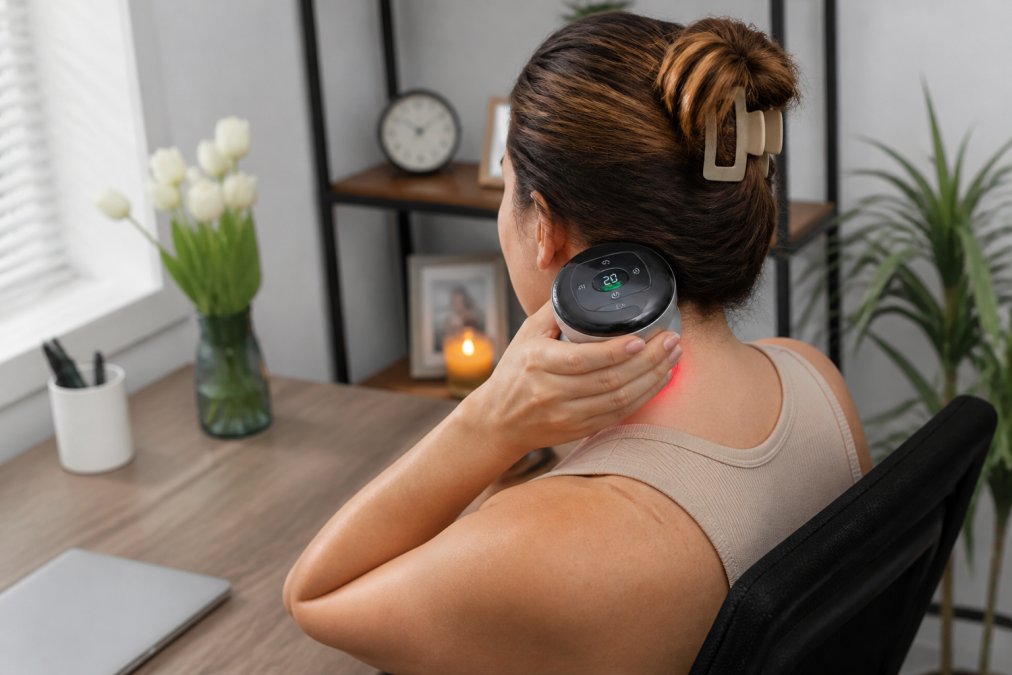
For broader muscle groups and cellulite reduction, the Cupping Kit for Massage Therapy with Red Light combines cupping, scraping, massage, heating, and red light therapy in one device. The Wood Therapy Handheld Massage Stick offers manual control for targeted deep tissue work on areas difficult to access otherwise.


When selecting a home device, consider your primary pain areas, desired intensity range, and how often you'll realistically use it. Many people find that combining a device with occasional professional massage creates the most effective pain management strategy.
Post-Massage Recovery and Safety Considerations
Post-massage recovery is where your body does the actual healing work. After a deep tissue session, expect mild soreness similar to post-workout muscle soreness for 24-48 hours. This is normal and indicates your body is responding therapeutically.
Support recovery by staying hydrated immediately after your massage. The manipulation releases metabolic waste products from muscle tissue, and adequate water intake helps your kidneys filter and eliminate these substances. Avoid strenuous exercise for at least 24 hours after deep tissue massage. Light movement like walking or gentle stretching supports recovery, but high-intensity workouts should wait. Similarly, avoid heat exposure immediately after massage for at least 6 hours.
Certain conditions contraindicate deep tissue massage or require modified intensity. Avoid deep pressure if you have active inflammation, fever, open wounds, or recent surgery in the area being treated. People taking blood thinners should inform their therapist, as deep pressure can increase bruising risk. Pregnancy requires modified technique and pressure levels. If you have osteoporosis, severe arthritis, or neurological conditions, discuss massage safety with your healthcare provider before beginning treatment.
Listen to your body in the days following massage. Some soreness is expected, but pain that worsens after 48 hours or persists beyond 72 hours may indicate pressure was excessive. Mild bruising typically resolves within 1-2 weeks. However, extensive bruising or unusual symptoms warrant contact with your therapist or healthcare provider.
Is Deep Tissue Massage Right for You?
Deep tissue massage intensity levels work best for people with specific conditions and goals. If you experience chronic muscle tension, particularly in the neck, shoulders, and lower back from occupational strain, deep tissue massage can provide meaningful relief. Athletes and fitness enthusiasts benefit significantly from deep tissue work for post-workout recovery and preventing overuse injuries.
However, deep tissue massage isn't ideal for everyone. People with acute injuries, active inflammation, or certain medical conditions may need lighter pressure or alternative approaches. Those with low pain tolerance might find deep tissue work uncomfortable rather than therapeutic, at least initially.
Consider your specific situation: Do you have localized muscle tension that lighter massage hasn't resolved? Are you experiencing chronic pain that impacts daily function? Do you recover well from physical stress? Are you willing to experience temporary post-massage soreness for potential long-term benefit? Honest answers help determine whether deep tissue massage intensity is appropriate for your needs.
Start with a consultation with a licensed massage therapist who can assess your condition and recommend appropriate intensity. Many therapists suggest beginning with medium pressure and adjusting based on your response. The research from [the American Massage Therapy(/products/electric-cupping-kit-for-massage-therapy-with-red-light-cupping-set-includes-3-smart-cups-and-remote-massager-device-cupping-therapy-set-for-back-muscle-soreness-cellulite-reduction) Association | amtamassage.org] supports massage therapy as an evidence-based approach for managing muscle tension and chronic pain. However, individual responses vary significantly, and what works perfectly for one person may not suit another.
Finding the right deep tissue massage intensity level transforms your approach to pain management and recovery. Whether you're addressing desk-related tension, post-workout soreness, or chronic muscle pain, understanding how pressure affects your body allows you to communicate clearly with therapists and achieve better results. At TheCoolVibeShop, we're committed to supporting your wellness journey with tools and guidance that help you take control of your health. Start with a professional assessment to determine your ideal intensity, then explore home devices like our Neck Massager with Heat and TENS Therapy to maintain consistent pressure management between professional sessions. With the right intensity and regular practice, you'll experience the therapeutic benefits deep tissue massage offers for lasting relief and improved function.
| Intensity Level | Pressure Range | Best For | Expected Soreness |
|---|---|---|---|
| Light | 1-3 | Relaxation, sensitive skin, recovery | Minimal |
| Medium | 4-6 | General tension, therapeutic benefit | Mild (24-48 hours) |
| Deep | 7-10 | Chronic pain, trigger points, athletes | Moderate (24-72 hours) |
Frequently Asked Questions
How do I know if my deep tissue massage is too intense?
Pain that exceeds a 7 or 8 on the 1-to-10 scale signals excessive intensity. Sharp, shooting pain is a red flag, deep tissue massage should feel firm but tolerable. You should be able to breathe normally and communicate with your therapist. Bruising, soreness lasting more than 2-3 days, or swelling indicates the pressure was too aggressive. Always speak up immediately if discomfort becomes unbearable.
What is the difference between light, medium, and deep tissue pressure?
Light pressure (1-3 on the scale) targets surface muscle layers and promotes relaxation without significant therapeutic effect on chronic tension. Medium pressure (4-6) reaches deeper muscle fibers and connective tissue, addressing moderate muscle tension and improving circulation. Deep pressure (7-10) penetrates fascia and muscle knots, releasing chronic pain and trigger points. The deeper the pressure, the greater the therapeutic benefit for muscle tension but also the higher the recovery time needed.
Should a deep tissue massage be painful?
Deep tissue massage should feel intense but not painful. The phrase 'good pain' describes productive discomfort, pressure that releases tension without crossing into sharp or shooting pain. A 6 or 7 on the intensity scale is ideal; you should feel the pressure working on muscle tension and fascia without grimacing. True pain signals tissue damage. Post-massage soreness lasting 24-48 hours is normal, but acute pain during the session means pressure needs adjustment.
What are the benefits of varying massage intensity levels?
Varying intensity allows targeted treatment: light pressure promotes relaxation and circulation, medium pressure addresses everyday muscle tension, and deep pressure releases chronic pain and trigger points in connective tissue. Alternating intensities during a session prevents tissue damage while maximizing therapeutic benefit. For at-home devices like the Neck Massager with Heat available at TheCoolVibeShop, adjusting intensity across 50 levels lets you customize treatment to your discomfort threshold and recovery needs.
This article was written using GrandRanker