Best Natural Alternatives to Cellulite Creams for 2026

Table of Contents
- Why Natural Alternatives to Cellulite Creams Are Gaining Ground
- Massage Therapy for Cellulite: Tools That Target Connective Tissue
- Red Light Therapy for Skin Texture: What the Research Shows
- How to Improve Skin Elasticity Naturally Through Diet and Hydration
- At-Home Treatments vs. Professional Spa Services: A Cost-Benefit Look
- Ingredient Safety and Contraindications for Natural Cellulite Remedies
- Building a Realistic Routine: What to Expect and When
- Conclusion: Choosing the Right Natural Alternative for You
- Frequently Asked Questions
Last Updated: September 15, 2026
Why Natural Alternatives to Cellulite Creams Are Gaining Ground
Shoppers are moving away from cellulite creams because the category has a credibility problem: most jars promise smoother skin, deliver temporary surface plumping, and cost more per ounce than the devices that actually work on the tissue underneath. That shift is why searches for the best natural alternatives to cellulite creams keep climbing. At TheCoolVibeShop, we see the same pattern in customer questions: people want something they can use at home, without a prescription, and without wondering what is soaking into their skin.
Cellulite forms when fat deposits push through the connective tissue beneath the dermis, creating the dimpled texture on thighs, hips, and buttocks (Insights Into the Pathophysiology of Cellulite: A Review). Creams sit on the epidermis. Mechanical tools and light-based devices reach deeper.
Here is the honest framing: no topical product removes cellulite, and neither does any device. What works is consistent stimulation of circulation, lymphatic drainage, and collagen synthesis over months, not days. Below, we break down the alternatives that hold up, what they cost, and what results actually look like.
Massage Therapy for Cellulite: Tools That Target Connective Tissue
Massage therapy for cellulite works by mechanically disrupting fluid retention and stimulating microcirculation in the adipose tissue layer. It is the most accessible alternative because the tools are reusable, require no consumables, and can be used daily.
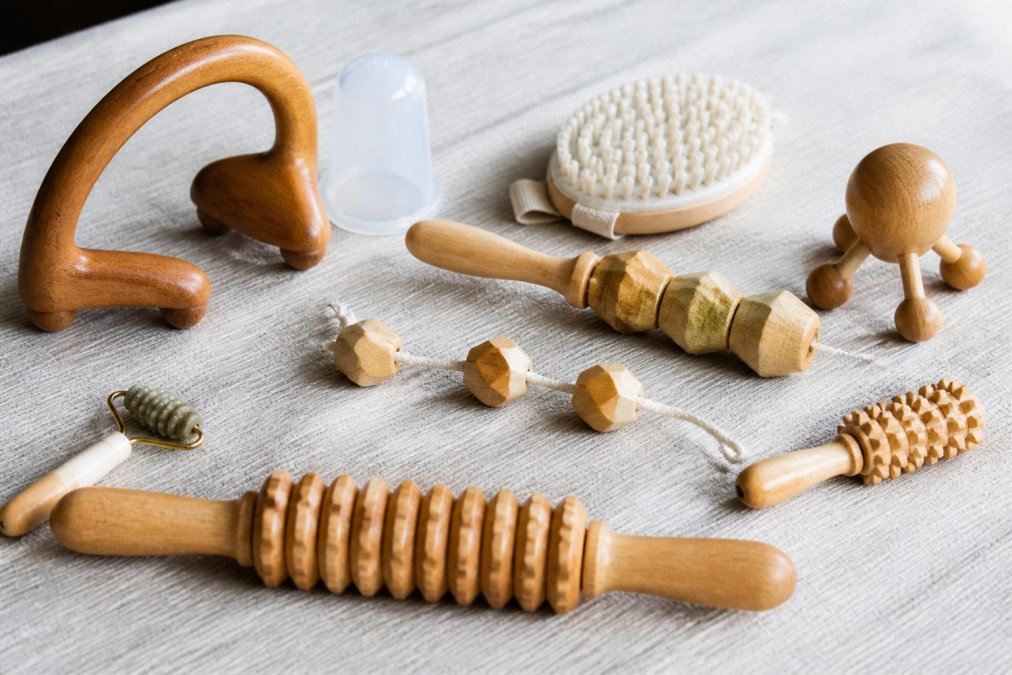
A common mistake is pressing too hard too fast. Lymphatic drainage responds to light, rhythmic strokes, not deep pressure. Start with five minutes per area and build up.
For hands-on work, a wood therapy massage stick at $98.99 covers the arms, legs, thighs, buttocks, waist, and abdomen with two different massage surfaces. It does not hurt the skin, which matters if you are using it five days a week.

Cupping and Wood Therapy: How They Work
Cupping creates negative pressure that lifts the skin and fascia, pulling fluid toward the surface where the lymphatic system can clear it. Wood therapy uses rigid, contoured tools to break up fibrous tissue and encourage blood flow. Both are non-invasive and drug-free.
The practical difference is control. A cupping kit with red light at $139.99 combines cupping, scraping, massage, heating, and red light in one device, with 12 adjustable suction levels and an auto-shutoff function. That range matters: beginners need low suction, and experienced users want more.

Red Light Therapy for Skin Texture: What the Research Shows
Red light therapy for skin texture uses specific wavelengths of light to reach the dermis, where it supports collagen synthesis and skin elasticity. Unlike creams, which act on the epidermis, light penetrates deeper. That is the core reason it shows up in so many at-home routines.
The evidence base is real but modest. Red and near-infrared light has been studied for skin firmness and wound healing, and the general finding is that consistency beats intensity: sessions several times a week over eight to twelve weeks produce visible changes in skin suppleness, while sporadic use produces nothing (pubmed.ncbi.nlm.nih.gov).
For full-body coverage, a full body red light therapy mat at $399.99 covers areas a handheld device cannot reach efficiently. The trade-off is upfront cost versus the per-session price of spa treatments.

How to Improve Skin Elasticity Naturally Through Diet and Hydration
Knowing how to improve skin elasticity naturally starts with two inputs: water and protein. Skin barrier function depends on hydration, and collagen synthesis depends on adequate protein, vitamin C, and zinc. No cream compensates for a diet that supplies none of these.
Here is the mechanism, because it explains why diet matters more than most people expect. Collagen is a protein built from amino acids, and the cross-linking that gives skin its firmness requires vitamin C as a cofactor and zinc for enzyme activity (ods.od.nih.gov). When protein intake is low, the body prioritizes muscle and organ repair over skin. When vitamin C is low, collagen fibers form weak and irregular. When hydration is low, the dermis loses volume and dimpling becomes more visible because there is less plump tissue to smooth the surface.
What actually helps:
- Water intake: aim for consistent daily hydration rather than catching up in one sitting. A common target is roughly half your body weight in ounces per day, adjusted for activity and climate.
- Protein: collagen synthesis requires amino acids; most adults undereat protein relative to activity level. A common range is 0.7 to 1 gram per pound of body weight for active adults.
- Vitamin C: citrus, bell peppers, and broccoli support collagen cross-linking. Pair with protein at the same meal for best absorption.
- Zinc: oysters, beef, pumpkin seeds, and lentils support the enzymes that build collagen.
- Antioxidants: colorful vegetables and berries support the skin's defense against inflammation.
- Less alcohol and sodium: both drive fluid retention that makes dimpling more visible.
The alkaline diet and herbal extracts get a lot of attention, but the evidence for either reshaping fat deposits is thin. Treat them as supporting habits, not treatments. Metabolic health, sleep, and circulation do more for skin texture than any single supplement.
If you want a structured starting point, build meals around a palm-sized protein source, a colorful vegetable, and a full glass of water. That single habit covers most of what the research supports.
At-Home Treatments vs. Professional Spa Services: A Cost-Benefit Look
At-home tools cost more upfront but less over a year. Professional sessions cost less per visit but never stop costing. Here is the honest comparison for someone committing to a twelve-month routine:
| Option | Upfront Cost | Ongoing Cost | Best For |
|---|---|---|---|
| Wood therapy stick | $98.99 | None | Daily lymphatic drainage |
| Cupping kit with red light | $139.99 | None | Targeted cupping and scraping |
| Full body red light mat | $399.99 | None | Full-body sessions, multiple users |
| Professional spa series | Low per visit | Recurring, ongoing | Short-term events, hands-on guidance |
The math favors at-home for anyone planning to stay consistent past three months. The math favors professional services if you need hands-on correction of technique or you know you will not use a device at home.
But the cost-benefit question most guides skip is the one that matters most: how does the long-term cost of natural creams compare to the long-term cost of lifestyle changes and at-home tools? A typical firming cream runs $30 to $80 per jar and lasts four to six weeks. Over a year, that is roughly $260 to $1,040 for a product that acts only on the epidermis. A single at-home tool in the $100 to $400 range, used four or more times a week for a year, costs less per session than any cream and reaches deeper tissue.
Lifestyle changes are the cheapest option of all.
Ingredient Safety and Contraindications for Natural Cellulite Remedies
Building a Realistic Routine: What to Expect and When
Conclusion: Choosing the Right Natural Alternative for You
Frequently Asked Questions
What naturally gets rid of cellulite on legs?
No natural method eliminates cellulite entirely, but several approaches reduce its appearance. Massage therapy for cellulite using tools like cupping kits or wooden rollers supports lymphatic drainage and circulation, which can smooth skin texture over time. Red light therapy may support collagen synthesis, and staying hydrated while eating antioxidant-rich foods helps maintain skin elasticity. Consistency matters more than any single treatment.
Is there any scientific evidence for natural cellulite remedies?
Research on natural remedies shows mixed but promising results. Studies on massage and mechanical manipulation suggest improved microcirculation and temporary smoothing of adipose tissue. Red light therapy has been studied for its potential to support collagen production and skin texture. However, results vary by individual, and natural approaches work gradually. They are best viewed as supportive tools rather than quick fixes.
How does massage therapy for cellulite impact skin firmness?
Massage therapy for cellulite works by stimulating blood flow and lymphatic drainage, which can reduce fluid retention in the connective tissue. Regular sessions with tools like a cupping kit or wooden massage stick help break up fascial adhesions and improve skin suppleness. Many users notice smoother skin texture after several weeks of consistent use, though results depend on factors like hydration, diet, and genetics.
Can lifestyle changes reduce the visibility of cellulite?
Yes, lifestyle changes play a significant role. Staying hydrated supports the skin barrier and helps flush excess fluid. Eating foods rich in antioxidants and collagen-supporting nutrients promotes skin elasticity. Regular movement, especially exercises targeting the legs and glutes, improves circulation and metabolic health. Combining these habits with at-home tools like red light therapy or massage devices can enhance results over time.
Are there non-invasive ways to improve skin texture?
Several non-invasive options exist. Red light therapy for skin texture uses specific wavelengths to support collagen synthesis and cellular repair. Massage tools like cupping kits and wooden rollers improve circulation and lymphatic drainage. Dry brushing and regular moisturizing also help. These methods require consistent use, typically several times per week, to see noticeable improvements in skin smoothness and firmness.